Adapting Database Protocols to Sequence Planning Across Game Variants
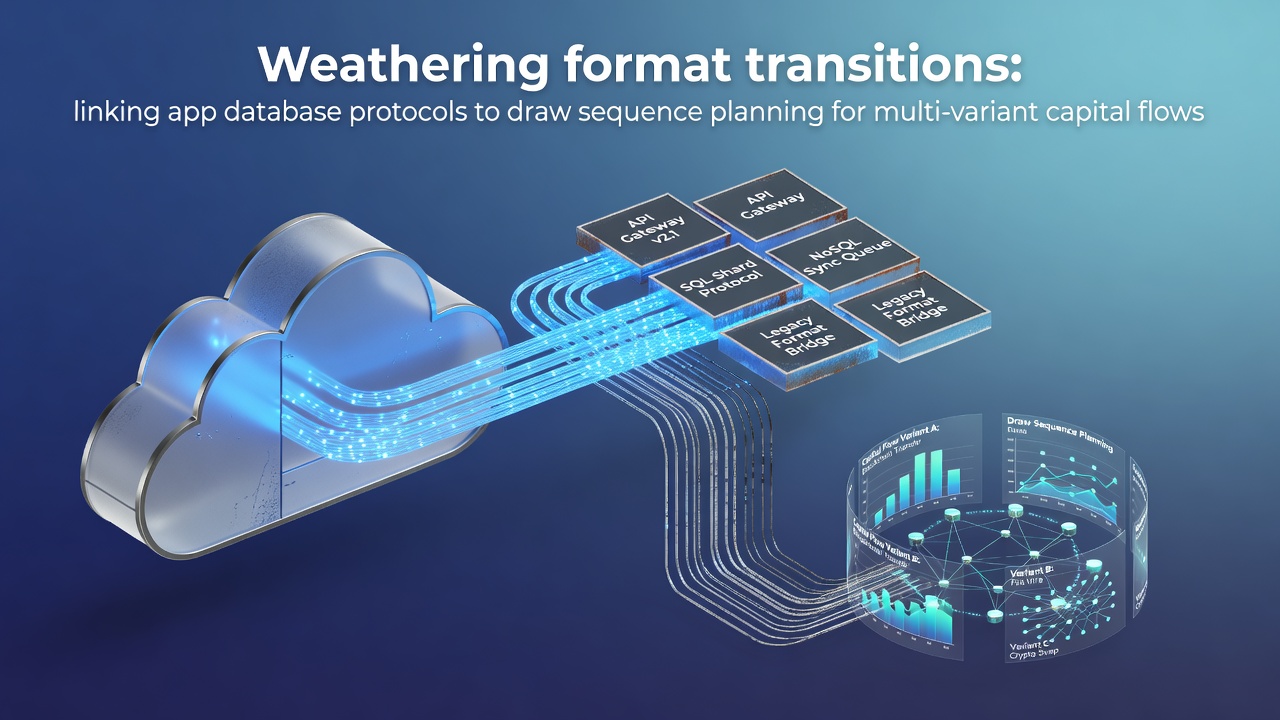
Format transitions in digital gaming environments require precise coordination between application database protocols and draw sequence planning to manage capital flows across multiple variants, and observers note that these connections become particularly relevant during periods of high activity such as the WSOP schedule in July 2026. Data from industry reports shows that operators who align these systems experience fewer disruptions when players shift between cash games, tournaments, and mixed formats.
Core Components of Protocol Integration
Application databases store player histories, transaction records, and variant preferences, while draw sequence planning determines the order of game elements such as community cards or betting rounds. Researchers at institutions like the University of Nevada have examined how mismatches between these elements lead to delays in capital rotation, and their findings indicate that standardized data schemas reduce processing times by measurable margins. Operators therefore map database fields directly to sequence triggers, allowing real-time updates when a player moves from one format to another.
One study revealed that synchronization occurs through API calls that pull historical data and push updated sequences without interrupting ongoing sessions, and this approach supports multi-variant environments where capital must flow between low-stakes cash tables and high-roller tournaments. Experts have observed that protocols using JSON-based structures handle these transitions more efficiently than older XML formats, particularly when dealing with large volumes of concurrent users.
Planning Draw Sequences for Capital Stability
Draw sequence planning involves forecasting the timing of game actions based on player behavior patterns stored in the database, and this planning directly affects how funds move across variants. According to figures from the Nevada Gaming Control Board, platforms that implement predictive sequencing see steadier capital distribution, reducing spikes that can strain liquidity reserves. The process starts with analyzing past session data to identify common transition points, then builds algorithms that adjust sequences dynamically.
Those who've studied these systems note that linking protocols allows for automated adjustments, such as altering draw timing when capital thresholds are reached in a particular variant. For instance, a player accumulating chips in a draw-heavy format triggers a database flag that shifts the sequence toward faster betting rounds in the next game type. This linkage prevents bottlenecks that might otherwise occur during peak hours in July 2026 events.
Challenges in Multi-Variant Environments
Multi-variant capital flows introduce complexity because each game type maintains its own rules for draws and payouts, yet databases must track unified player accounts. Observers note that without proper protocol alignment, sequence planning can lag, causing temporary holds on funds. Industry organizations such as the European Gaming and Betting Association have documented cases where unsynchronized systems resulted in extended reconciliation periods after major series.
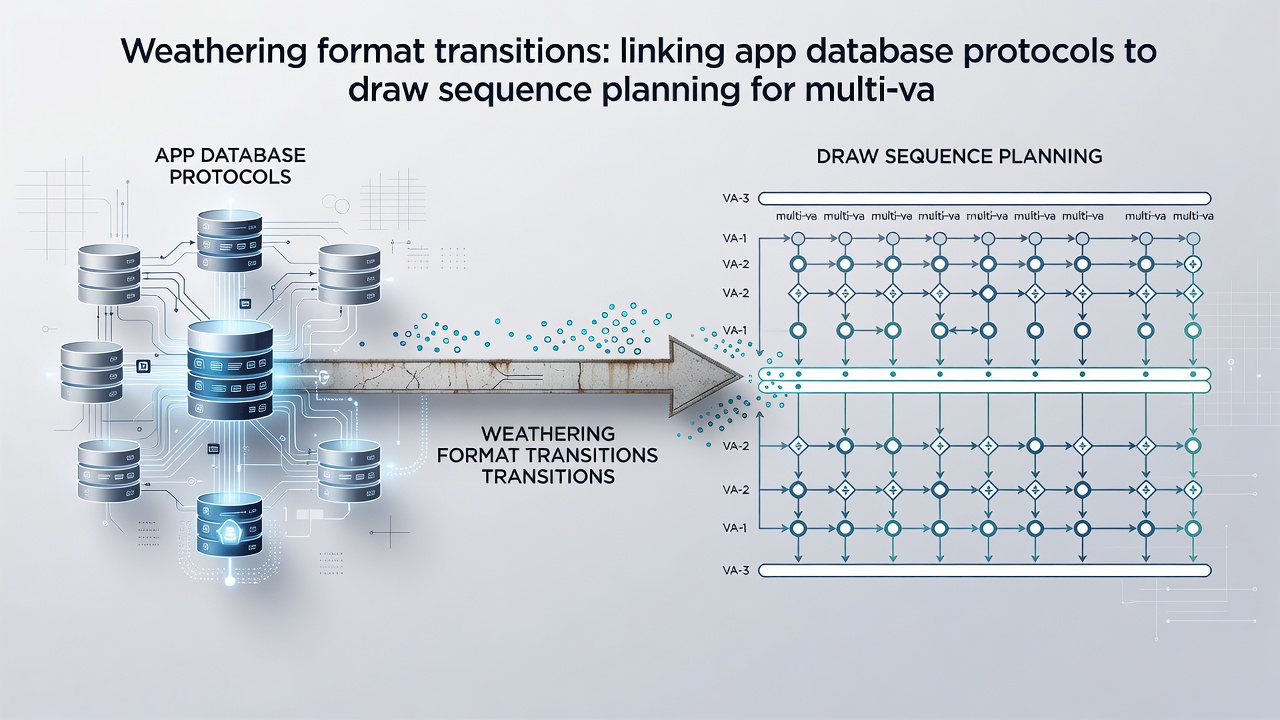
But here's the thing: operators address these issues by establishing middleware layers that translate database queries into sequence commands. Research indicates that such layers improve compatibility across variants, especially when incorporating mobile app data alongside desktop platforms. Patterns emerge in player movement data that allow planners to anticipate transitions before they happen, supporting smoother capital rotation.
Implementation Strategies and Outcomes
Successful implementations begin with mapping every database field to corresponding sequence variables, then testing these mappings during simulated transitions. Data shows that teams which conduct regular audits of these connections maintain higher uptime during format shifts. In practice, this means reviewing logs from previous months to refine algorithms ahead of busy periods like the 2026 summer schedule.
What's interesting is how geographic differences influence these strategies, with regulatory frameworks in places like Australia requiring additional logging of capital movements compared to other regions. Platforms therefore build flexibility into their protocols to meet varied compliance needs while preserving sequence integrity. Evidence suggests that such adaptable systems support long-term stability across multiple game types.
Conclusion
Linking app database protocols to draw sequence planning provides a foundation for managing multi-variant capital flows effectively, and ongoing developments in these areas continue to shape operational practices. Figures from regulatory and academic sources confirm that integrated approaches deliver consistent results when applied across diverse gaming networks. Operators who prioritize these connections position themselves to handle transitions without interruption, ensuring capital moves reliably between formats as player preferences evolve.