Advanced Analytical Approaches for Matching Bonus Timelines to Progressive Tournament Formats

Variant analytics involves the systematic examination of player data across different poker formats to align promotional bonus cycles with ongoing tournament progressions and observers note that this practice has gained traction among digital cardrooms seeking operational efficiency. Researchers track metrics such as participation rates in no-limit hold'em events versus pot-limit Omaha or mixed-game series while they examine how bonus structures like deposit matches or rakeback periods intersect with player advancement through stages.
Core Components of Variant Analytics Systems
Data platforms collect information on entry volumes, average stack depths, and format-specific retention rates then they integrate these figures with bonus redemption timelines to identify optimal synchronization points. Operators apply clustering algorithms to group players by their multi-format activity patterns and this allows for adjustments in bonus availability that correspond to peak progression moments in freezeout tournaments or rebuy events.
Studies from industry research groups indicate that misalignment between bonus cycles and tournament phases leads to reduced engagement metrics whereas coordinated approaches show measurable increases in sustained participation across variants. In June 2026 several major series incorporated real-time dashboards that flagged when players transitioned between formats and this enabled dynamic bonus offers tied directly to those shifts.
Implementation Across Multi-Format Circuits
Cardrooms deploying these systems monitor variables including blind level progression, payout structures, and variant-specific volatility indexes then they feed the outputs into scheduling tools that adjust bonus windows accordingly. One documented case involved a platform that synchronized a loyalty bonus cycle with the transition from early-stage turbo events to later deep-stack formats and figures revealed a 12 percent rise in completion rates for the full progression path.
Analytics teams also evaluate external factors such as time zone distributions of participants and overlapping festival schedules and they use this information to stagger bonus activations so they do not conflict with high-volume periods in competing formats. According to UNLV gaming studies such coordination supports more stable capital flows for both operators and players during extended circuits.
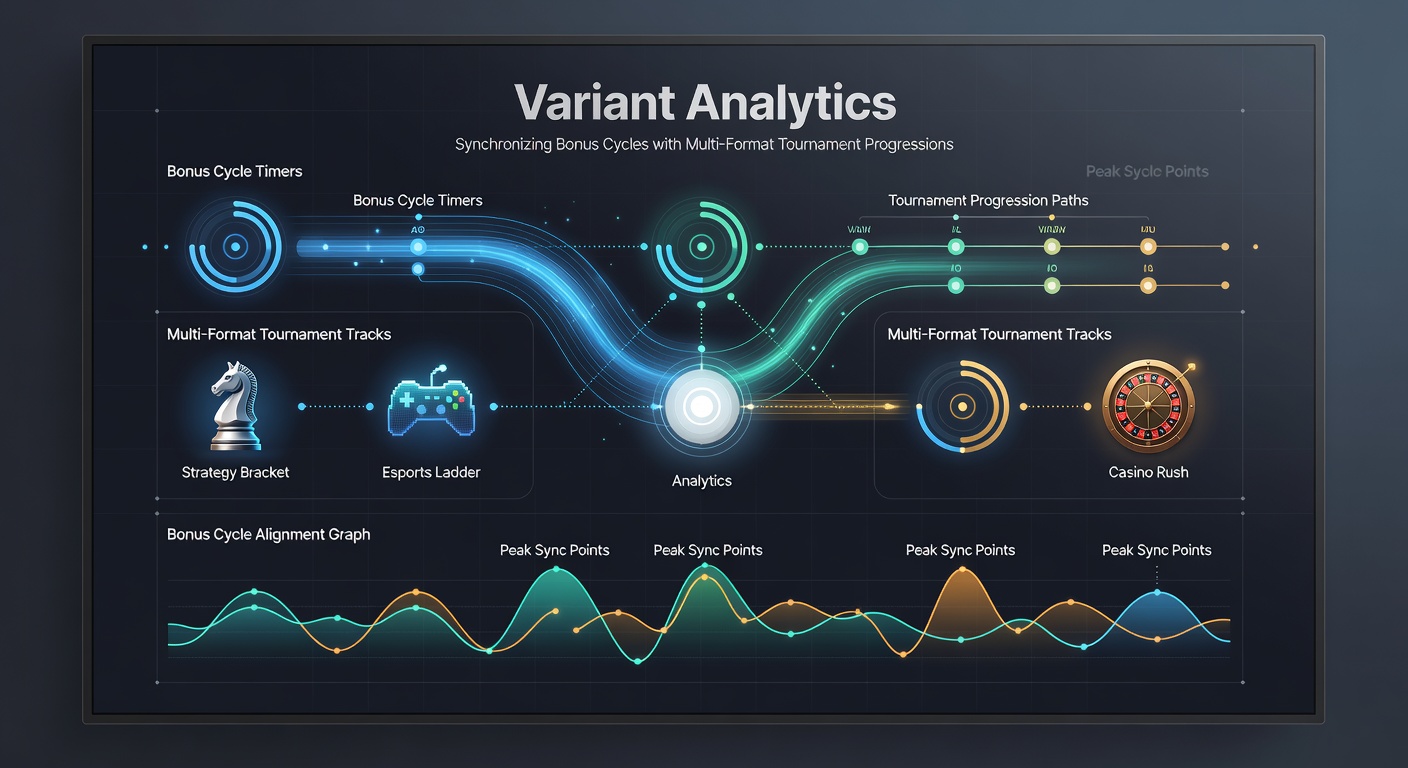
Software solutions now incorporate predictive modeling that forecasts when players are likely to complete certain tournament stages based on historical variant data and this forecasting helps set bonus expiration dates that encourage continued movement through the schedule rather than abrupt exits. Those who manage large-scale events apply these models to events running concurrently in different game types and they report improved alignment between player bankroll management and promotional incentives.
Data Sources and Measurement Practices
Regulatory filings provide baseline statistics on tournament volumes across regions and analysts cross-reference these with proprietary platform metrics to refine synchronization models. Nevada Gaming Control Board reports supply aggregate data on format popularity that supports broader industry benchmarking while individual operators add granular layers from their own user bases.
Key performance indicators include bonus utilization rates segmented by format, average cycle completion times, and variance in player retention following synchronized versus unsynchronized periods. Teams review these indicators monthly and they adjust algorithms when new tournament structures or bonus types enter circulation.
Challenges in Maintaining Synchronization
Format transitions often occur rapidly during festival periods and this speed requires analytics systems that update in near real time to avoid bonus cycles falling out of step with player progress. Legacy platforms sometimes struggle with the data volume generated by simultaneous multi-format events yet newer integrations handle the load through automated pipelines that flag discrepancies before they affect user experience.
Geographic variations in player preferences add another layer of complexity because European circuits may emphasize certain mixed games while North American schedules prioritize hold'em variants and analytics must account for these regional differences when setting global bonus timelines.
Conclusion
Variant analytics continues to evolve as cardrooms refine methods for linking bonus cycles to the natural flow of multi-format tournament progressions and current practices in June 2026 demonstrate measurable coordination benefits. Ongoing development focuses on expanding data inputs and improving predictive accuracy so that synchronization remains responsive to shifting event calendars and player behaviors across the ecosystem.