Charting Adaptive Interfaces for Mixed-Game Rotations Across Borderless Digital Networks
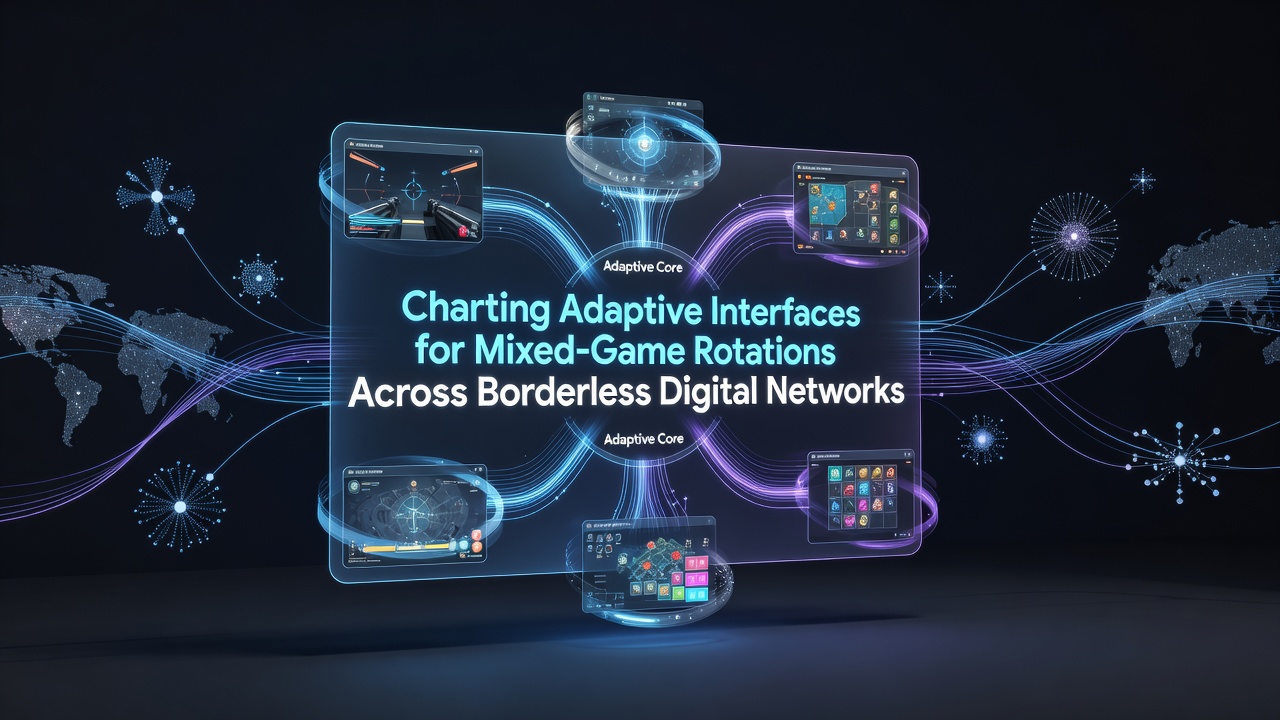
Digital platforms handling mixed-game rotations rely on adaptive interfaces that shift layouts, controls, and data displays in real time as users move between game variants. These systems operate across borderless networks where servers in multiple regions coordinate player sessions without geographic restrictions, and data flows follow protocols established by organizations such as the European Commission digital strategy frameworks.
Developers design these interfaces to recognize rotation triggers, whether triggered by player choice, tournament schedules, or algorithmic balancing, then reconfigure visual elements and input mappings within milliseconds. Research from the University of Melbourne's gaming technology lab shows that seamless transitions reduce session drop-off rates by coordinating UI changes with backend state synchronization across distributed nodes.
Core Components of Adaptive Systems
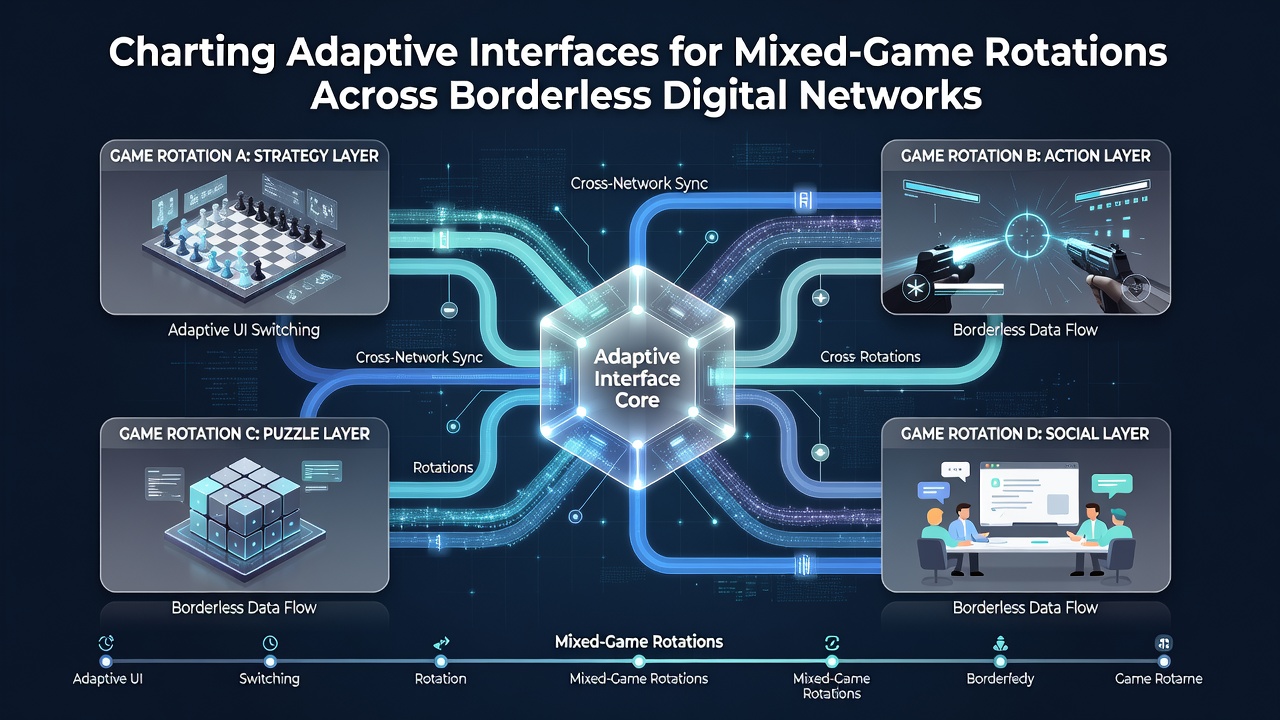
Pattern recognition algorithms sit at the center of these setups, analyzing sequences of game draws, resource allocations, and user actions to predict the next rotation point. The software then applies preloaded templates that adjust button positions, information panels, and notification styles to match the incoming game type while maintaining consistent branding across the network.
Borderless operation adds layers of complexity because latency varies by region and regulatory requirements differ between jurisdictions. Canadian regulatory filings from Innovation, Science and Economic Development Canada highlight the need for data localization options that still allow interface continuity when players cross virtual borders.
Implementation Patterns in 2026
By June 2026 several major networks had rolled out updated synchronization layers that tie mobile application updates directly to hand-history database protocols. These layers ensure that when a player switches from one game format to another the interface pulls relevant historical data without requiring manual refresh or separate login steps.
One deployment in the Asia-Pacific region demonstrated how coordinated reward mechanisms adjust payout visualizations automatically when formats rotate, keeping capital stability indicators visible regardless of the active game variant. Observers note that such adjustments rely on real-time mapping between game-state variables and UI rendering engines hosted on edge servers.
Technical Coordination Methods
Database synchronization techniques align draw sequences with mobile entry protocols by maintaining mirrored state machines on both client and server sides. When a rotation begins the system broadcasts a compact delta packet that updates only the changed interface elements, reducing bandwidth consumption across international connections.
Studies conducted at the Technical University of Munich examined how these delta updates perform under varying network conditions and found measurable improvements in frame consistency when rotation events coincide with scheduled server handoffs. The findings indicate that predictive pre-loading of interface assets further stabilizes performance during peak rotation windows.
Challenges Across Global Networks
Regulatory divergence remains a persistent issue because data-handling rules in Australia, enforced through the Australian Communications and Media Authority, require different consent flows than those applied in North American markets. Adaptive interfaces must therefore embed conditional rendering logic that respects each region's requirements without interrupting the rotation experience.
Security considerations add another dimension since borderless traffic increases exposure to cross-region exploits. Industry reports from teh Global Gaming Association document ongoing work on encrypted state channels that protect player data while still permitting the rapid interface swaps demanded by mixed-game environments.
Future Developments
Continued refinement of pattern recognition algorithms promises tighter integration between resource flow tracking and visual feedback loops. Academic papers published in IEEE Transactions on Games outline experimental models that use reinforcement learning to optimize interface adaptation speed based on aggregate user behavior across entire networks.
These models project further reductions in transition latency as 5G and emerging 6G infrastructure expand, allowing even more granular adjustments during rotations that span multiple game types simultaneously.
Conclusion
Adaptive interfaces for mixed-game rotations continue to evolve through coordinated technical standards and region-specific compliance measures. Data from multiple regulatory and academic sources demonstrates measurable gains in session continuity and user retention when these systems function across borderless digital networks. The trajectory points toward increasingly automated synchronization that maintains consistency regardless of game variant or geographic location.