Coordinating Interface Refreshes with Sequence Protocols Across Worldwide Hybrid Card Networks
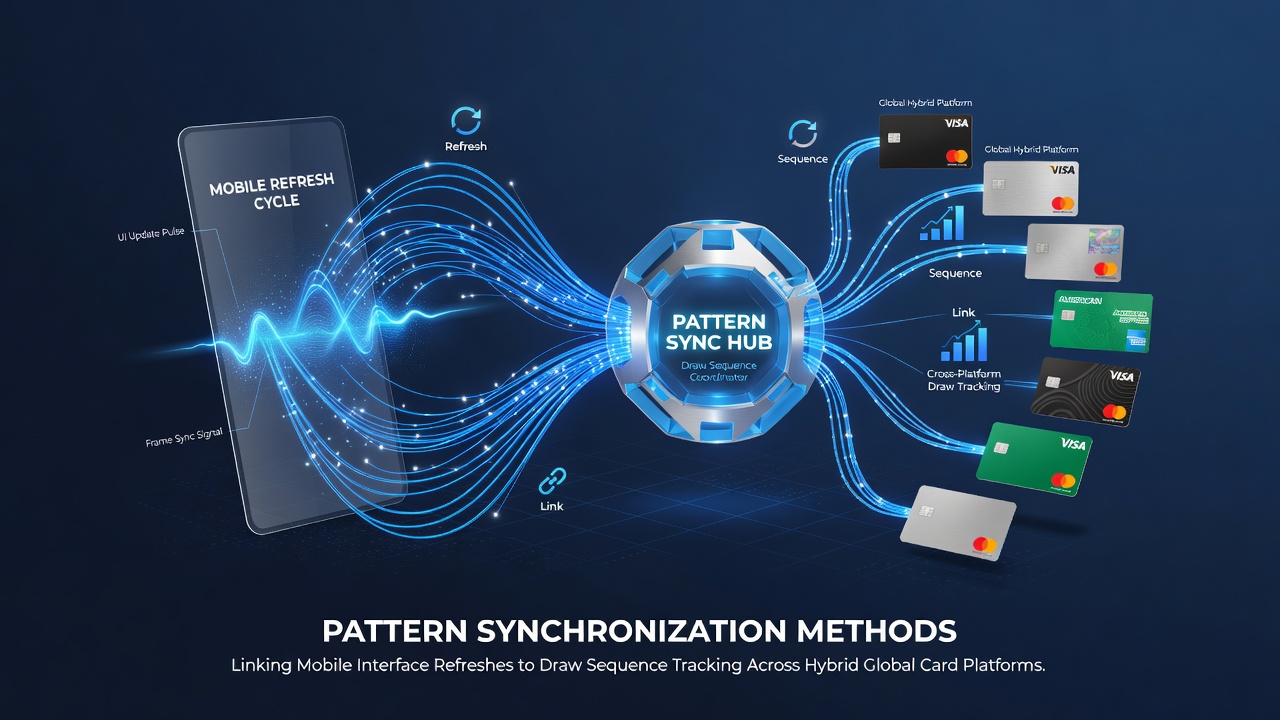
Platform developers have refined pattern synchronization methods that connect mobile interface refreshes directly to draw sequence tracking in hybrid global card systems, and these techniques rely on timestamp alignment plus real-time data mapping to maintain consistency across cash and tournament environments. Observers note that the process begins with API endpoints capturing each refresh event on user devices while simultaneously logging draw sequences from backend servers in multiple jurisdictions.
Core Components of Synchronization Frameworks
Engineers build these frameworks around modular protocols that match interface state changes to sequential card actions through shared identifiers, and the identifiers incorporate hashed timestamps along with session tokens to prevent drift during network latency spikes. Data flows through layered caches that update every few milliseconds, while validation routines cross-check mobile refresh logs against central sequence records before committing changes to distributed databases. Researchers at institutions such as the University of Waterloo have documented similar timestamp-matching approaches in distributed systems studies, confirming reduced error rates when geographic node clusters operate under unified clock standards.
Hybrid platforms combine cash-game modules with tournament schedulers, which means synchronization layers must handle variable draw frequencies without interrupting either format. One common implementation uses event-driven triggers that fire whenever a mobile client requests a refresh, prompting the server to push matching sequence fragments in compressed packets. This setup supports operations across regions served by networks in North America, Europe, and Asia-Pacific, where differing regulatory reporting intervals add further timing constraints.
Handling Mobile Refreshes in Real Time
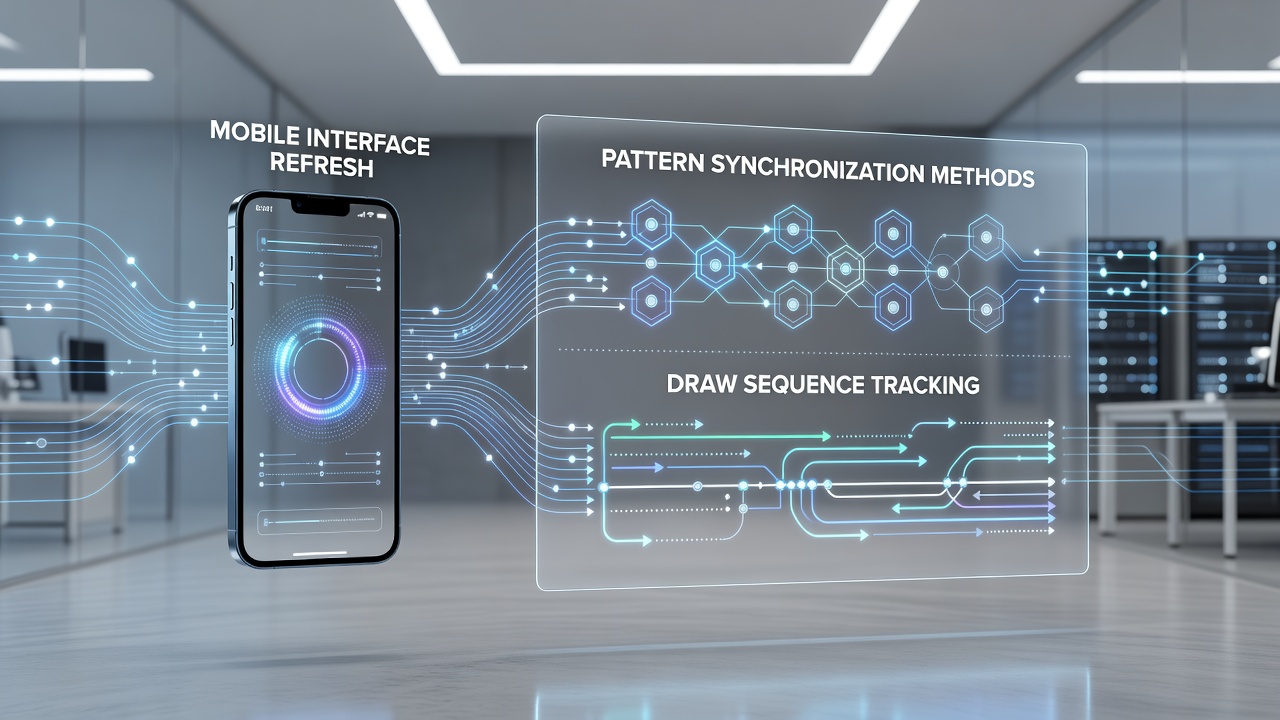
Mobile refreshes occur when users scroll through hand histories or switch between table views, and each action generates a payload that includes device orientation data, local cache version numbers, and the last confirmed draw index. Servers respond by validating the payload against stored sequences before delivering updated interface elements, which prevents display of mismatched card orders during rapid user navigation. Systems often employ delta compression so only changed sequence segments transmit, cutting bandwidth use while preserving accuracy on variable connections.
Those who manage global operations report that July 2026 brought incremental protocol updates aimed at tightening refresh intervals during peak tournament periods, particularly as new hybrid events rolled out across multiple time zones. These adjustments incorporated predictive prefetching based on historical draw patterns, allowing clients to load probable sequences ahead of actual user requests.
Draw Sequence Tracking Mechanisms
Draw sequence tracking maintains an ordered record of every card action from initial deal through final resolution, and synchronization ties these records to mobile state via persistent identifiers that survive session restarts. Algorithms compare incoming refresh metadata against the master sequence ledger using sliding window comparisons, flagging discrepancies that exceed predefined tolerance thresholds. When mismatches appear, automated reconciliation routines replay recent sequence segments to restore alignment before the interface renders new elements.
Industry groups including the European Gaming and Betting Association have examined how such tracking supports compliance reporting across borders, where each jurisdiction requires distinct audit trails for card movement data. Platforms therefore embed jurisdiction-specific tags within sequence packets, enabling selective extraction for regulatory submissions without disrupting live synchronization threads.
Integration Across Hybrid Global Platforms
Global card platforms operate through interconnected data centers that mirror sequence information in near real time, and mobile clients connect via regional gateways that translate local refresh requests into standardized sequence queries. This architecture accommodates differences in draw rules between variants while keeping interface elements consistent for users who move between cash tables and scheduled events. Observers point to case implementations where failover routing automatically redirects traffic to secondary nodes when primary synchronization links experience delays, preserving sequence continuity for active sessions.
Further refinements include machine-learning models trained on aggregated refresh and sequence datasets, which forecast periods of high interface activity and pre-allocate additional processing capacity. These models draw from anonymized logs collected across participating networks, helping operators adjust resource distribution ahead of expected load increases. According to reports from the Nevada Gaming Control Board, similar predictive elements have appeared in technology assessments for multi-state gaming operations, illustrating broader adoption trends.
Conclusion
Pattern synchronization methods continue to evolve as hybrid card platforms expand their reach, linking mobile interface refreshes to draw sequence tracking through coordinated protocols and distributed validation layers. The approaches described rely on timestamp alignment, event-driven triggers, and regional gateway handling to support consistent performance across varied network conditions and regulatory environments. Data from multiple sources shows these techniques maintain operational integrity while meeting reporting obligations in different jurisdictions, and ongoing refinements in 2026 have focused on predictive capacity management during high-volume periods.