Coordinating Variant Transitions with Notification Systems in Tournament Resource Management
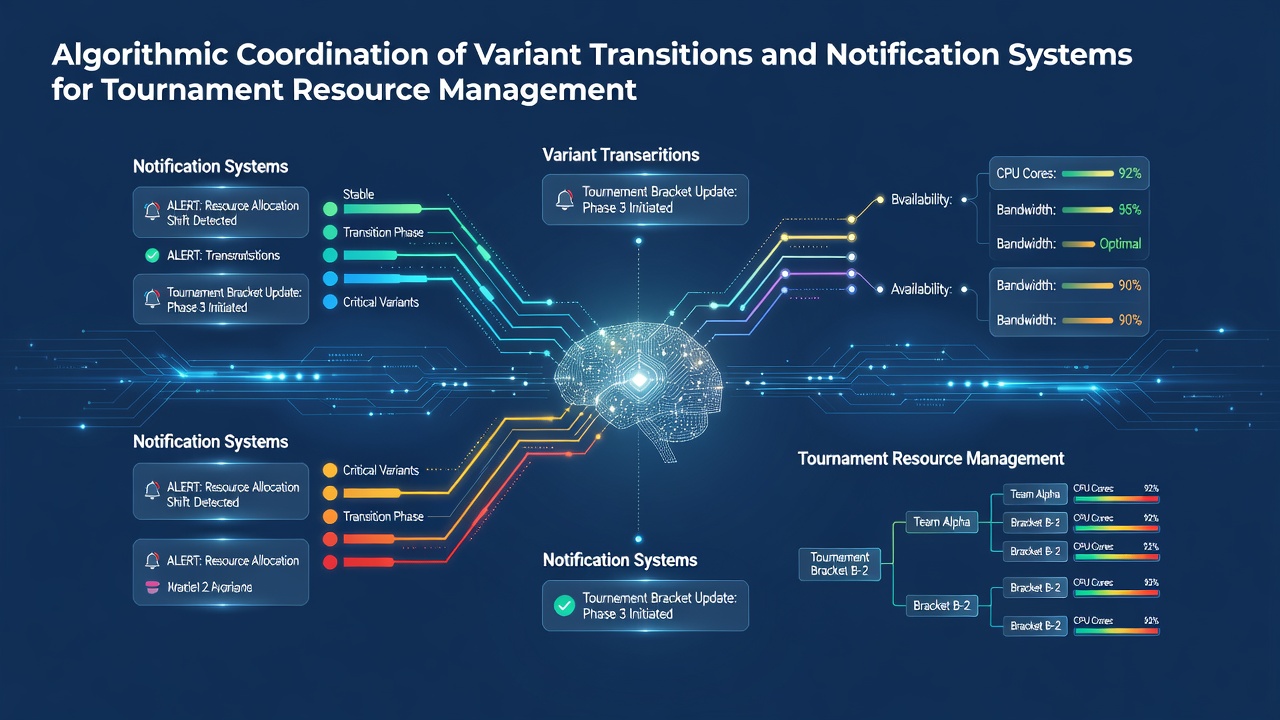
Algorithmic coordination of variant transitions and notification systems has become central to managing resources in large-scale tournament environments where multiple game formats run simultaneously, and data from industry reports shows these systems help track chip stacks, entry timings, and player movements across formats without manual intervention.
Core Components of Variant Transition Algorithms
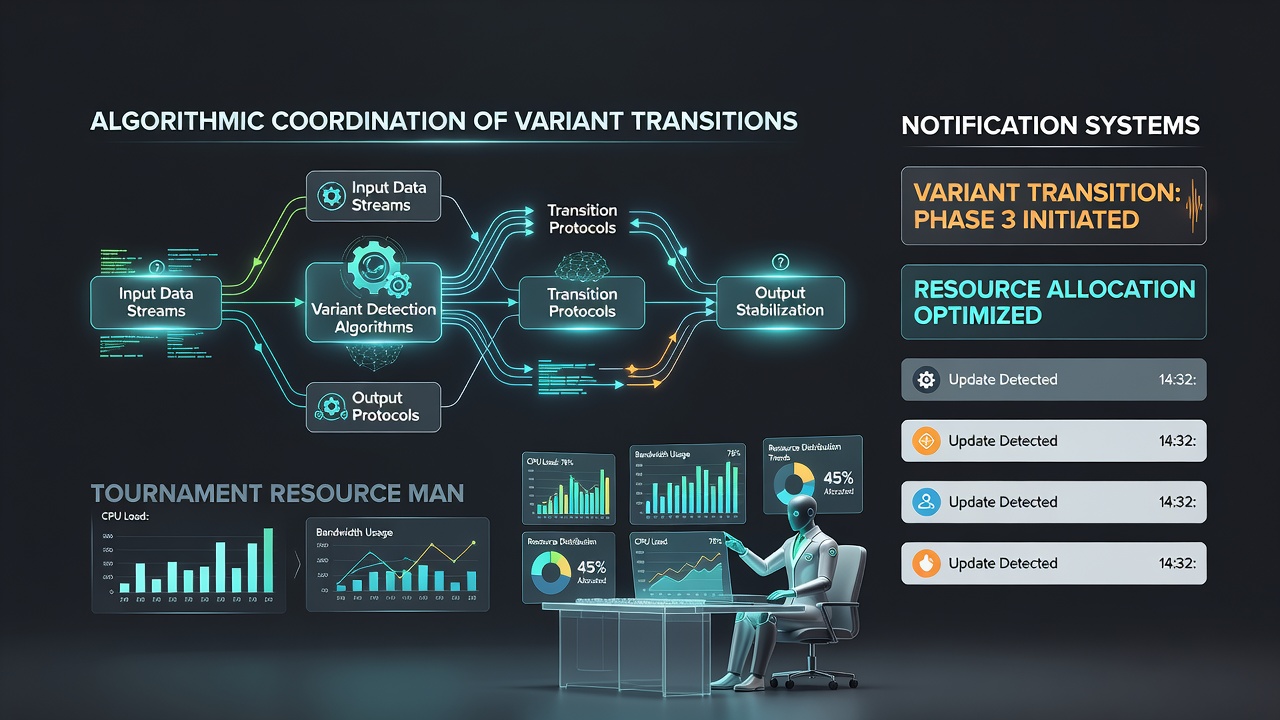
Variant transition algorithms process real-time data on game type changes, such as shifts from hold'em to stud or draw formats, while monitoring available bankrolls and seat allocations; studies from gaming technology conferences indicate these programs use decision trees and predictive modeling to forecast when a transition will occur based on registration patterns and elimination rates. Researchers have noted that the algorithms factor in historical participation data from events like those scheduled for June 2026, allowing operators to adjust starting stacks and prize pool distributions automatically before each new variant begins.
Notification systems integrate directly with these algorithms by sending alerts to players and staff through mobile apps and on-site displays, and figures from platform usage logs reveal that push notifications reduce missed transitions by coordinating with database updates on hand histories and current standings.
Implementation in Multi-Format Circuits
In circuits that rotate through several poker variants over consecutive days, the coordination layer matches bonus timelines to progressive structures so that capital stability remains intact across sessions; observers note one example where a North American operator synchronized freeroll entries with mobile database protocols, resulting in smoother resource flows during peak registration periods. Data from similar setups in Australian markets shows integration with regulatory reporting requirements from bodies like the Northern Territory Racing Commission helps maintain compliance while the algorithms handle dynamic adjustments.
Resource Flow Optimization Techniques
Resource optimization occurs when algorithms detect upcoming variant changes and trigger preemptive notifications about required buy-ins or format-specific rules, and case studies from European gaming networks demonstrate reduced downtime because staff receive coordinated alerts about chip movements and table reassignments. Those who've studied these systems point out that pattern recognition components analyze draw sequences and reward engagement metrics to align mobile updates with entry protocols, ensuring players receive accurate information on bankroll impacts before each transition.
Integration with Broader Gaming Networks
Global gaming networks rely on database synchronization techniques that connect variant transition logic to hand history protocols in hybrid cash and tournament settings, and evidence from academic papers on algorithmic game management highlights how these connections prevent capital rotation issues during seasonal multi-format events. What's interesting is that the same frameworks support chart customizations for decision-making in rotating reward scenarios, allowing participants to view updated projections without separate logins or manual calculations.
Software-driven insights further refine the process by matching freeroll opportunities with bankroll planning across formats, while reports from research institutions in Canada indicate measurable improvements in operational efficiency when notification systems operate in tandem with transition algorithms rather than as isolated tools.
Future Developments and Current Trends
As events approach June 2026 schedules, developers continue refining these systems to handle increased complexity in draw sequences and progressive structures, and industry analyses suggest that incorporating machine learning models will enhance predictive accuracy for resource allocation. The reality is that regulatory frameworks in various regions encourage such technological adoption to support transparent management of tournament funds and player notifications.
Conclusion
Algorithmic coordination of variant transitions paired with notification systems provides structured methods for tournament resource management across digital cardrooms and live circuits, and available data confirms these tools maintain stability by processing transitions, alerts, and allocations in unified workflows. Continued refinement based on usage patterns from major 2026 series will shape how operators handle multi-variant environments going forward.