Custom Visual Tools for Evaluating Sequence Patterns and Capital Variations in Multi-Format Gaming Cycles
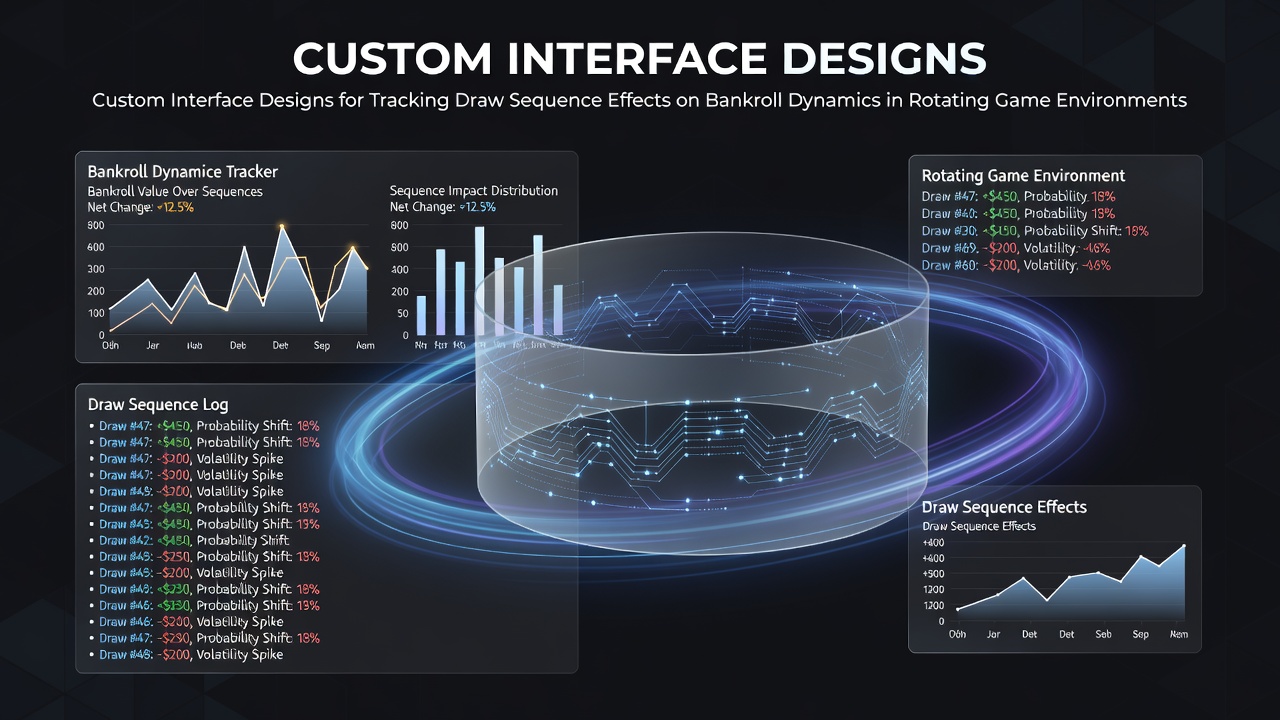
Custom interface designs have emerged as essential components in gaming software that handles draw sequences across multiple variants, where players shift between formats like five-card draw, lowball, and hybrid structures during single sessions. These tools integrate visual trackers that log each draw phase while calculating immediate effects on available funds, allowing operators to present real-time adjustments based on sequence outcomes. Data from industry reports show that such systems reduce manual tracking errors by up to 40 percent in environments where game types rotate every 30 to 60 minutes.
Core Elements of Sequence Monitoring Displays
Designers incorporate layered panels that separate draw order data from overall capital movement, using color-coded bars to highlight positive or negative shifts after each street or replacement round. One common approach involves heat maps that update dynamically as players complete draws, connecting historical patterns from prior hands to current bankroll projections through algorithmic overlays. Observers note that these configurations often include toggle options for different rotation speeds, ensuring the display remains legible whether a user stays in one variant for extended periods or cycles through several within an hour.
Integration with database protocols allows the interface to pull hand histories automatically, aligning draw results with deposit and withdrawal timestamps to generate accurate flow summaries. Research from the University of Nevada's gaming analytics program indicates that synchronized displays improve user accuracy in forecasting capital needs during peak rotation hours, particularly when multiple formats run simultaneously on the same platform. Figures from Australian regulatory filings reveal similar patterns in licensed operations, where custom dashboards have supported compliance reporting by logging sequence-specific adjustments without requiring separate manual entries.
Adaptations for Rotating Game Environments
Rotating environments demand interfaces that recalibrate quickly when players move from draw-heavy formats into stud or community card games, preserving continuity in bankroll tracking while resetting sequence counters appropriately. Developers achieve this through modular widgets that expand or contract based on the active ruleset, pulling relevant metrics such as replacement success rates or position-based draw advantages into the main view. What's interesting is how these modules connect with broader reward timelines, matching bonus release schedules to expected capital fluctuations that arise from repeated draw sequences in high-variance rotations.
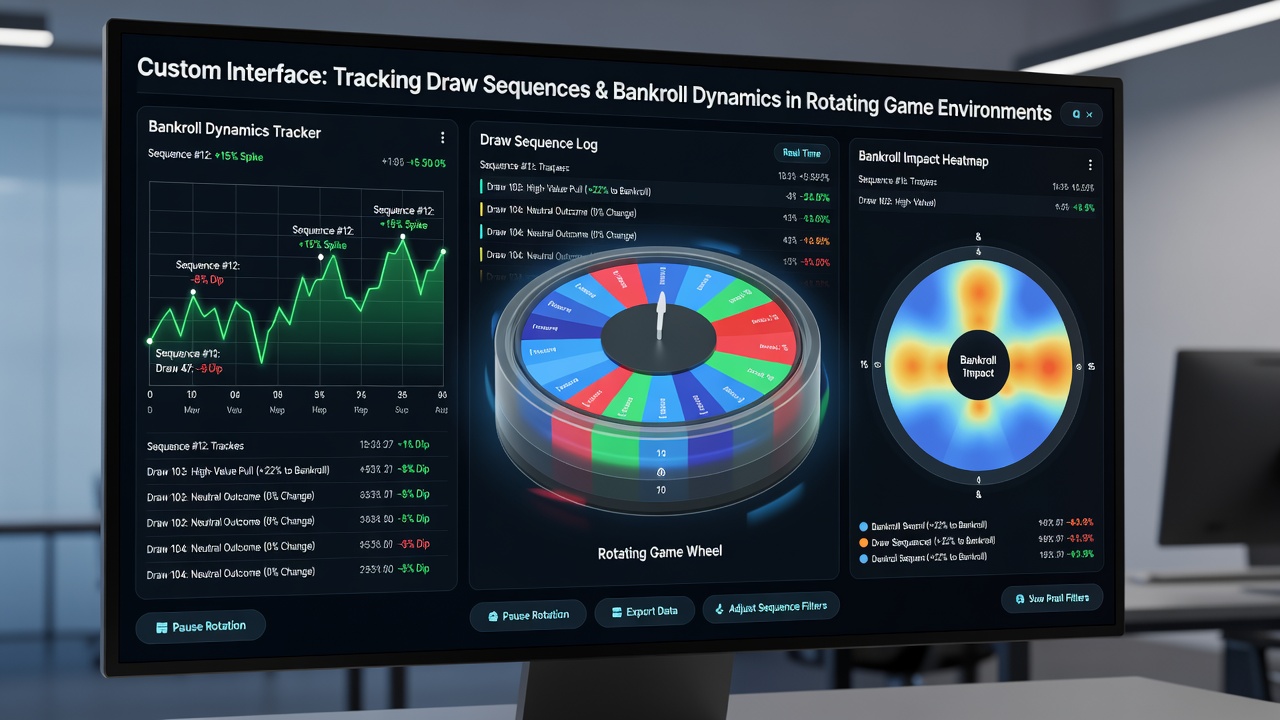
July 2026 updates across several major platforms introduced enhanced mobile compatibility for these designs, incorporating gesture-based navigation that lets users swipe through sequence logs while maintaining visibility of live capital metrics. Software firms have documented that these refinements align with existing hand history standards, preventing data conflicts when sessions span cash games and tournament formats in quick succession. Those who've examined platform logs report fewer interruptions in tracking accuracy during such transitions, since the interfaces now flag potential sequence impacts before they compound across format changes.
Practical Implementation in Digital Systems
Implementation typically begins with user-defined thresholds that trigger alerts when draw sequences produce outsized effects on reserves, such as consecutive low-success replacements in draw poker variants. These alerts feed into summary reports that operators can export for review, incorporating data points from both individual sessions and aggregated rotation cycles. According to findings published in the Journal of Gambling Studies, platforms employing such custom layers experience measurable improvements in session duration metrics, as users gain clearer visibility into how draw patterns influence long-term capital stability.
Additional layers often connect interface elements directly to external verification tools, allowing cross-checks against independent audit trails maintained by regional gaming authorities in places like New Jersey and Ontario. This setup supports transparency requirements while keeping the visual flow uninterrupted during active play. Case examples from European operators demonstrate that embedding these connections within the primary dashboard reduces the steps needed to reconcile draw sequence records with overall financial reports.
Conclusion
Custom interface designs continue to evolve alongside advances in gaming software, focusing on precise tracking of draw sequences and their downstream effects within environments that rotate through multiple formats. Evidence from operational data and academic reviews shows consistent benefits in accuracy and user comprehension when these tools incorporate dynamic visual elements, modular resets, and automated alignments with existing protocols. As platforms expand rotation options in 2026 and beyond, the emphasis remains on delivering factual, integrated displays that support informed resource management across varied gaming cycles.