Decoding Draw Sequence Impacts on Capital Rotation Across Seasonal Multi-Format Circuits
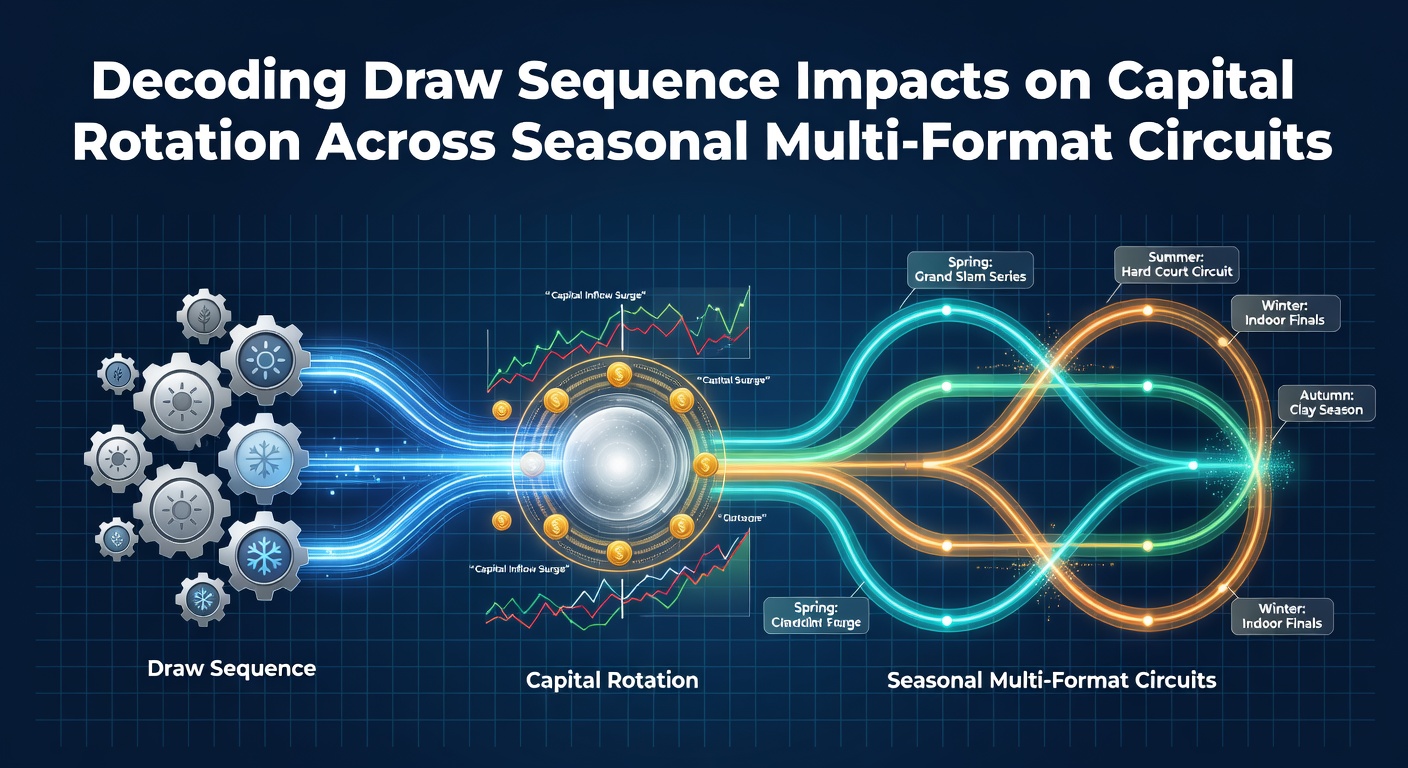
Draw sequences in poker variants such as five-card draw and lowball create measurable effects on how participants allocate and rotate their bankrolls through seasonal tournament schedules that blend multiple game types. Observers note that these sequences determine the probability distributions for hand improvements and therefore influence the timing and size of capital commitments across events held throughout the year. Data from major circuits shows that players who track draw outcomes adjust their rotation strategies between formats to maintain stability when moving from limit games to no-limit structures.
Core Mechanics of Draw Sequences in Multi-Format Play
Sequences begin with the initial deal followed by discard and replacement phases where each decision point alters expected value calculations for remaining cards. Researchers at academic institutions tracking poker mathematics have documented how the order of draws affects variance in bankroll drawdowns especially when circuits schedule draw events alongside hold'em and stud variants during spring and summer months. In May 2026 several North American series incorporate draw formats into their lineups requiring participants to recalibrate capital allocation models based on sequence-specific odds rather than general tournament equity formulas.
Capital rotation refers to the movement of funds between buy-ins entry fees and cash game sessions as players transition across the calendar. When draw sequences favor conservative play patterns bankrolls experience slower turnover whereas aggressive replacement strategies accelerate rotation rates and increase exposure during peak seasonal periods. Figures from industry reports indicate that circuits with integrated draw events see average bankroll cycling times shorten by measurable percentages compared to hold'em-only schedules.
Seasonal Patterns and Format Transitions
Winter circuits often emphasize limit draw games that produce steadier sequence outcomes while spring transitions introduce mixed-game formats that demand rapid adjustments to draw timing. Those who have studied these schedules find that participants who map draw sequences against seasonal venue changes maintain more consistent capital flows through the year. For instance data compiled during previous cycles reveals correlations between early-year lowball events and mid-year no-limit draw rotations where sequence awareness helps stabilize overall fund movement.
Multi-format circuits in 2026 continue this pattern with events combining draw poker alongside pot-limit and big bet structures. Regulatory bodies such as the Nevada Gaming Control Board publish annual summaries that track player participation across these variants and the resulting impacts on bankroll metrics. Meanwhile European gaming authorities in Malta release parallel statistics showing how sequence-driven decisions influence fund rotation when players cross formats within the same festival week.

Analytical Approaches to Sequence Impact Measurement
Quantitative models break draw sequences into discrete stages where each replacement round contributes to overall hand strength distributions. Studies from research institutions demonstrate that ignoring sequence order leads to miscalculations in capital rotation planning particularly when circuits compress multiple formats into short seasonal windows. Players who incorporate sequence data into their models adjust bet sizing and entry timing to match the variance profiles of upcoming draw events.
One case documented by poker analytics groups involved a participant who shifted rotation tactics after reviewing draw sequence logs from early circuit stops and subsequently extended bankroll longevity through later mixed-game stages. Such adjustments align with broader observations that sequence awareness reduces unnecessary capital exposure during high-variance transition periods common in May and June schedules.
Integration with Broader Circuit Dynamics
Draw sequences interact with blind structures payout distributions and travel logistics that define seasonal circuits. When events cluster draw formats in specific months participants often rotate smaller portions of their bankrolls into those segments to preserve reserves for subsequent no-limit or pot-limit rotations. Industry associations tracking tournament data note that this segmented approach appears more frequently among players who maintain detailed sequence records across multiple years of circuit participation.
Additional layers emerge when circuits introduce hybrid formats that blend draw mechanics with community card elements requiring further sequence analysis to optimize fund movement. Data indicates these hybrids produce distinct rotation patterns compared to pure draw events and players who account for the differences sustain steadier capital flows through extended seasonal runs.
Conclusion
Draw sequence analysis provides a framework for understanding capital rotation across seasonal multi-format poker circuits where timing and probability directly shape fund allocation decisions. Evidence from regulatory summaries and research compilations shows consistent links between sequence tracking and more stable bankroll movement through varied game types scheduled throughout the year. As circuits evolve in 2026 and beyond participants who integrate these mechanics into their planning maintain clearer pathways for sustained participation across all formats and seasons.