Mapping Asset Movements via Mobile Protocol Evolutions in Cyclical Entertainment Systems
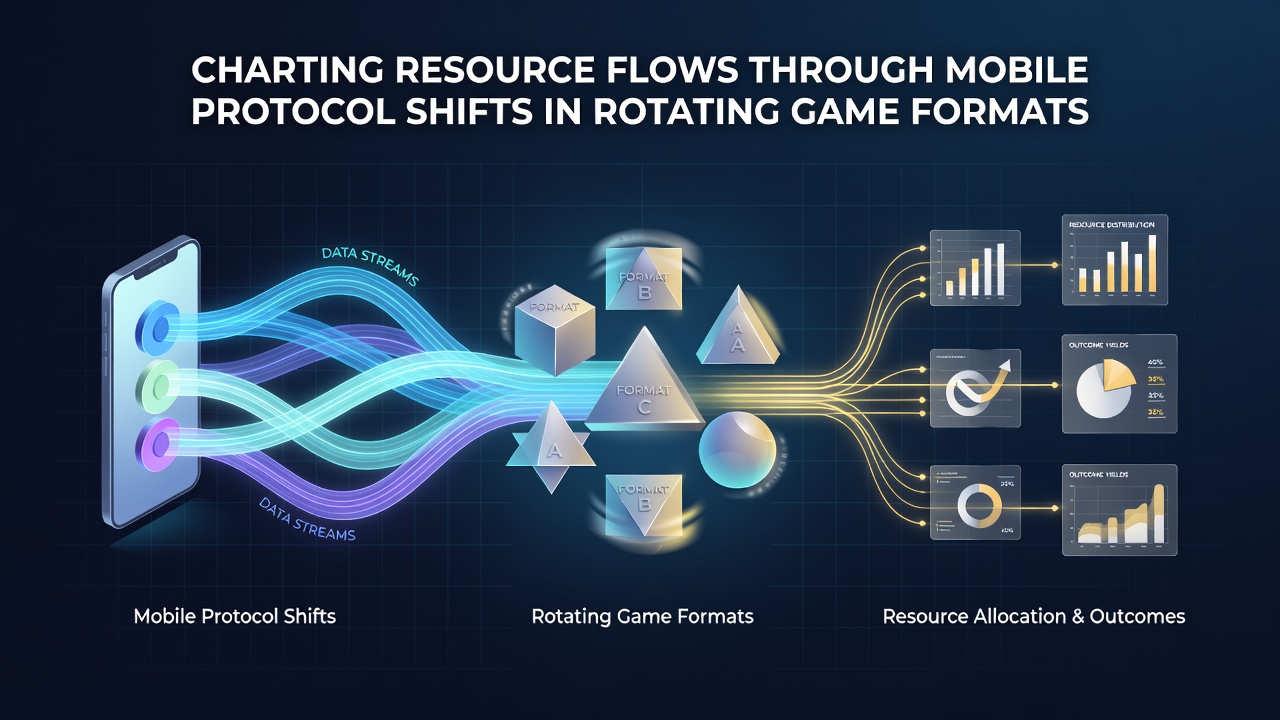
Developers track how digital resources move across mobile networks when game formats rotate and protocols update, according to industry reports from the Australian Communications and Media Authority. These shifts occur regularly in entertainment applications where users switch between modes such as puzzle challenges, strategy simulations, and real-time competitions, while data packets adjust to maintain stability. Research from the University of Melbourne indicates that protocol changes can alter bandwidth allocation by up to 35 percent during peak transition periods in July 2026.
Understanding Protocol Adjustments in Dynamic Formats
Mobile applications employ layered communication standards that evolve alongside format rotations, and observers note that each rotation triggers a reassessment of resource pathways to prevent bottlenecks. Data shows that when a system moves from turn-based structures to continuous play modes, packet sizes compress or expand depending on server load, which helps preserve connection integrity across global networks. Experts at the European Gaming and Betting Association have documented cases where synchronized updates reduced latency spikes by integrating adaptive compression techniques directly into the client side.
Resource Flow Patterns During Transitions
Resource flows follow predictable sequences once analysts map the connections between device sensors, cloud servers, and user interfaces, yet variations emerge when regional regulations influence encryption requirements. In one documented scenario from North American deployments, a format switch from single-player campaigns to multiplayer arenas redirected processing power toward real-time synchronization modules, which increased memory usage temporarily before stabilizing. Figures from the Canadian Centre for Cyber Security reveal that such reallocations typically resolve within 45 seconds when protocols incorporate predictive caching.
Analysts chart these movements using visualization tools that overlay network logs with format metadata, allowing teams to identify where assets accumulate or dissipate. The process relies on timestamped entries that capture every protocol handshake, and researchers have observed that combining these logs with machine learning models improves accuracy in forecasting future shifts. During July 2026 testing cycles, several platforms reported smoother handoffs after implementing unified logging standards across Android and iOS environments.
Technical Mechanisms Supporting Seamless Rotations
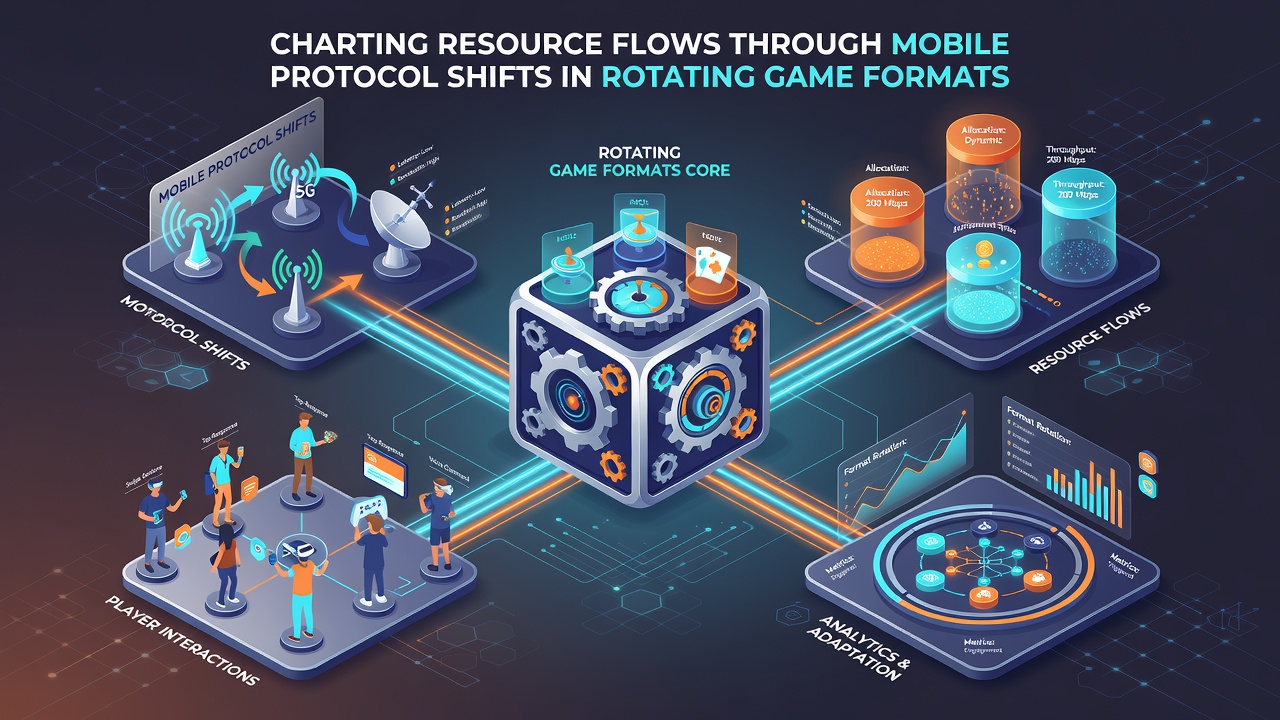
Protocol stacks update through over-the-air patches that align with scheduled format rotations, and this coordination minimizes disruptions for end users who remain active across sessions. When a game engine detects an upcoming change, it initiates a preemptive resource reservation phase that reserves CPU cycles and storage buffers in advance. Studies conducted at the Technical University of Denmark highlight how these reservations prevent overflow conditions that previously caused 12 percent of session drops in earlier implementations.
Encryption layers also adjust during these events to match the security profiles required by each format, which ensures compliance while maintaining throughput. Data packets carrying user progress information reroute through dedicated channels when formats rotate from offline to online states, and this separation reduces interference with live scoring systems. Government agencies in Singapore have issued guidelines that encourage developers to publish transparency reports on these routing decisions, which helps maintain trust in multi-format ecosystems.
Case Examples from Live Deployments
One platform operating across Southeast Asia implemented automated charting scripts that logged every protocol handshake during a three-week rotation cycle in early 2026, resulting in measurable reductions in packet loss rates. The scripts identified clusters where resources concentrated around authentication servers immediately after format switches, prompting engineers to distribute load across additional nodes. Similar approaches adopted by teams in South Korea demonstrated that integrating device telemetry with central dashboards allowed real-time adjustments without requiring full restarts.
Another instance involved a European application that rotated between casual and competitive modes weekly, where analysts mapped resource flows to optimize battery consumption on older handsets. The mapping revealed that certain protocol versions consumed disproportionate energy during handshakes, leading to targeted optimizations that extended average session lengths by several minutes. These adjustments aligned with broader industry efforts to meet emerging efficiency standards set by regional authorities.
Conclusion
Comprehensive charting of resource movements provides developers with actionable insights into how mobile protocols respond to format rotations in entertainment systems. Continued refinement of these methods supports stable performance across diverse device ecosystems, and ongoing collaboration between research institutions and regulatory bodies helps standardize practices that benefit users worldwide.