Pattern Recognition Algorithms in Gaming Software: Synchronizing Interfaces with Draw Sequences and Resource Flows
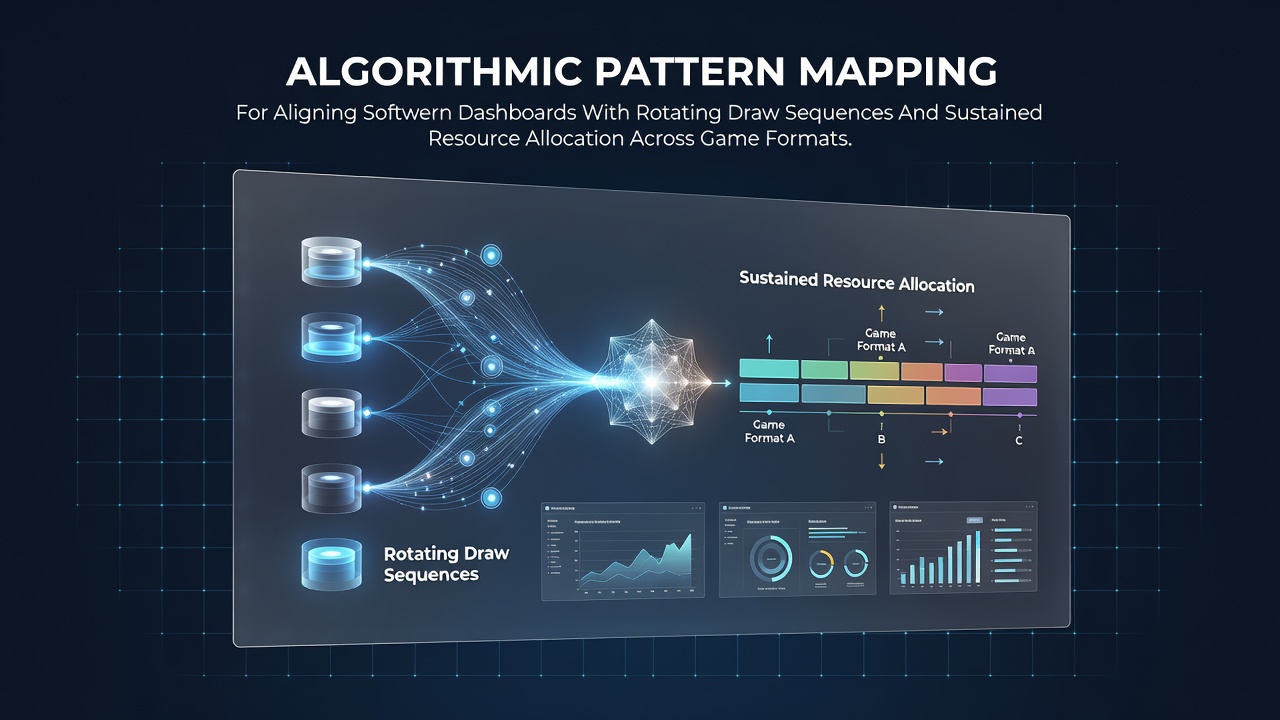 Software developers have refined algorithmic pattern mapping techniques to align dashboard displays with the mechanical rhythms of rotating draw sequences, a process that supports sustained resource allocation when players shift between game formats. These systems analyze sequence data in real time, matching visual indicators to the progression from initial draws through subsequent streets while tracking capital distribution across formats such as Texas hold'em, Omaha, and mixed-game rotations. Data from regulatory filings shows that platforms implementing these mappings maintain consistent reporting accuracy during high-volume periods, including the June 2026 tournament schedules.
Core Components of Pattern Mapping Systems
Pattern mapping begins with data ingestion layers that capture draw sequence events, then applies clustering algorithms to identify recurring structures across variants. Researchers at institutions including the University of Nevada, Las Vegas documented how these clusters feed into dashboard rendering engines, allowing interface elements to update without manual recalibration when formats rotate. The algorithms distinguish between fixed-limit draw cycles and no-limit progressions by weighting variables such as street completion rates and pot-size transitions, which helps operators maintain allocation stability when bankrolls move between formats.
Resource allocation modules integrate directly with these pattern outputs, using predictive buffers to adjust displayed metrics ahead of format changes. Observers note that platforms employing this integration report fewer discrepancies in real-time balance tracking, particularly during extended sessions where players alternate between draw poker and stud variants. According to records maintained by the Nevada Gaming Control Board, compliance reports filed in early 2026 highlighted improved audit trails when such synchronized systems were in place.
Implementation Across Multi-Format Circuits
Circuits that schedule rotating formats rely on these algorithms to handle the shift from one draw sequence to another without disrupting capital visibility. The mapping process identifies transition points where one variant ends and another begins, then recalibrates dashboard panels to reflect the new sequence parameters while preserving historical allocation data. Studies from the Australian Institute of Gambling Research indicate that operators using these techniques achieved measurable consistency in reporting across seasonal schedules that include mixed-game events.
Developers incorporate feedback loops that refine pattern recognition based on actual gameplay logs, allowing the system to adapt when draw sequences deviate from expected norms due to player behavior or table dynamics. This adaptation supports sustained resource allocation by preventing abrupt changes in displayed metrics that could affect player decisions during format transitions. One documented case involved a platform that adjusted its dashboard rendering after analyzing June 2026 data from multi-format festivals, resulting in smoother capital flow visibility across variants.

Technical Integration and Data Handling
Integration occurs through API connections between game servers and dashboard front ends, where pattern mapping outputs trigger conditional rendering rules. These rules account for sequence length variations, such as the difference between five-card draw and seven-card stud progressions, and adjust allocation indicators accordingly. Figures released by the European Gaming and Betting Association show that platforms with mature implementations experienced reduced latency in dashboard updates during peak tournament months.
Security considerations enter the process when algorithms handle sensitive allocation data, requiring encryption layers that do not interfere with real-time pattern matching. Developers address this by isolating mapping computations in separate processing threads, which preserves both speed and compliance with data protection standards across jurisdictions. The approach allows operators to maintain dashboard alignment even when regulatory requirements differ between regions hosting the same multi-format circuit.
Conclusion
Algorithmic pattern mapping continues to evolve as a foundational element in gaming software design, particularly where rotating draw sequences intersect with ongoing resource allocation needs. Platforms that adopt these methods demonstrate measurable improvements in interface synchronization and reporting accuracy, supported by data from multiple regulatory and academic sources. As circuits expand their format rotations in 2026 and beyond, the underlying algorithms provide the structural support required for consistent dashboard performance across diverse game environments.