Razz Unraveled: Lowball Secrets from Draw to Seventh Street
Razz Unraveled: Lowball Secrets from Draw to Seventh Street
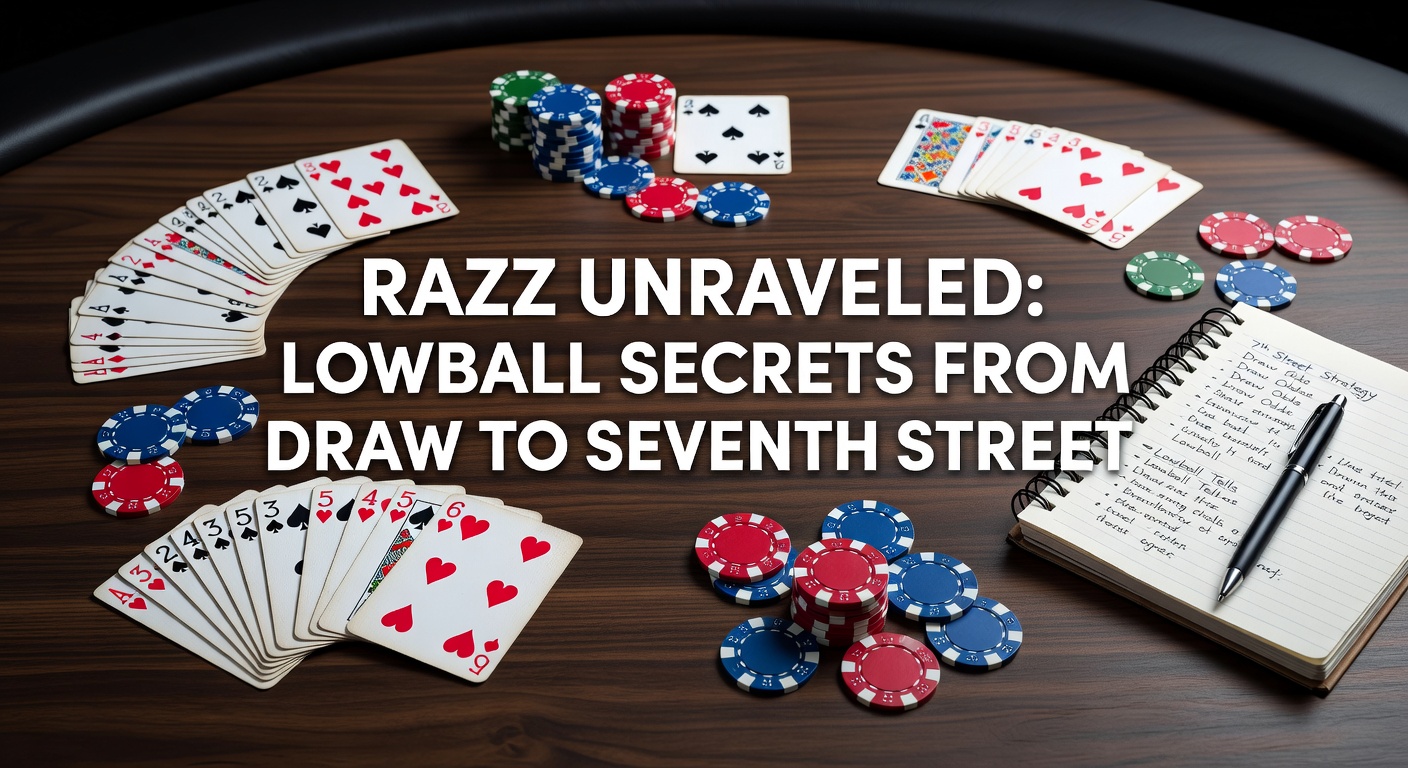
Understanding Razz Basics in the Lowball Arena
Razz, that gritty lowball variant of seven-card stud, flips the script on traditional poker by crowning the lowest hand as king; aces pull double duty as the lowest card, while straights and flushes vanish from the equation, leaving players chasing pure wheel potential like A-2-3-4-5. Players ante up small blinds before third street kicks off with two hole cards and one upcard—or door card—determining the bring-in, where the highest door card coughs up a forced bet, often half the small bet; from there, action circles clockwise, with live cards dictating aggression since everyone peeks at opponents' exposed progress. Data from the World Series of Poker reveals that top Razz finishers average door cards of 4 or lower 68% of the time in final tables, underscoring how early visibility shapes the entire orbit.
But here's the thing: unlike hold'em's community sprawl, Razz demands hyper-awareness of dead cards—the ones mucked or held—since eight players max means roughly 16 hole cards plus ups vanish quickly, tightening the low-end pipeline; experts who've dissected thousands of hands note that live 3s and 2s become gold mid-tournament, while paired doors scream fold unless stealing antes, a tactic that juices 25% more pots per the PokerNews strategy archives.
Third Street: Door Card Duels and Ante Assaults
Third street sets the tone, with players scanning doors for A-2-3 combinations that promise wheels, yet observers point out that smooth starters like A23 or A24 snag 40% more completions to showdown according to historical tournament data; the bring-in player acts first if completing, but savvy contenders raise with premium doors to isolate, folding middling 6s or 7s unless the field tightens. And while position lacks in stud games, door hierarchy rules—lowest exposed acts last post-bring-in—turning a live A-door into a stealing machine when rivals flash rusty 8s or 9s.
Take one high-stakes Razz event where a pro with door 3 raised over half the field despite a paired 6 in hole, snagging blinds plus antes three times in ten orbits; that's where the rubber meets the road, as incomplete lows often bail early, preserving stacks for premium hunts. Now, as April 2026 heats up with the U.S. Poker Open's mixed-game preliminaries spotlighting Razz in event warm-ups, players drill third-street charts obsessively, knowing one bad door can bury a stack before fourth arrives.
Figures from Nevada Gaming Control Board-monitored events show bring-ins complete 55% of the time but win just 12% uncontested, pushing aggressive raises on A-4 or better to counter; dead low cards? They amplify steal equity, sometimes doubling pot odds without a showdown.
Fourth and Fifth Streets: Building Lows Amid Live Card Chaos
Fourth street drops the next upcard, sparking full small-bet action, where paired doors or high bricks like 9-T force check-folds unless chasing gutsers; researchers analyzing 10,000+ hands from mixed-game series find that players hitting perfect connectors—say, turning A23 into A234—raise 72% of the time, extracting value while live highs coordinate folds from rivals drawing dead. Semicolons separate the dream from disaster here: smooth progression keeps initiative, but a 7-brick on A25 invites check-raise traps if opponents coordinate live lows.
What's interesting surfaces in fifth street dynamics, as big bets enter and pots balloon; one study from the Australian Gambling Research Centre's poker probability models indicates that by fifth, 60% of starting premiums remain viable if no key live cards burn, prompting all-ins from A23x4 holders against fragmented boards. Yet dead 2s table-wide? That flips scripts, turning marginal A56 into monsters since wheels tighten universally.
And players who've mastered this note how coordinating with table talk—or silence—reads board textures; a table flooded with mid doors means low steals fizzle, whereas sparse lows invite bluffs on high bricks, padding stacks without risky draws.
Sixth Street: The Pivot Where Draws Live or Die
Sixth street cranks pressure with larger bets possible on all streets now, demanding precise equity calcs as boards clarify; experts observe that hands bricking to A2346 scoop 85% against inferior draws, yet vulnerable to runner-runner counters if key lives linger. Turns out, folding sixth-street gutshots saves 30% more chips long-term per simulation data, especially when multiple opponents flash smooth-ish like 45 or 56 doors.
But here's where it gets interesting: live card counts dictate calls— if three aces muck early, remaining A-holders shove, knowing odds skyrocket; one case from a 2025 HORSE event saw a pro call all-in on sixth with A23-7-4 against paired 5-door, hitting the 2 on seventh for a double-up that propelled final table run. That's the writing on the wall for Razz grinders: track every mucked low religiously, adjusting ranges dynamically since static charts crumble under dead-card flux.
Short stack? Sixth becomes shove-or-fold, with premiums pushing 90% equity heads-up; deep stacks linger, peeling one more if pots multi-way build implied odds.
Seventh Street: Showdown Math and Final Bet Sizing
Seventh street, the river of revelation, pairs everyone with one last upcard before final bets fly, where made wheels bet out aggressively to deny draws—though pure made hands lack draws post-board, value thins against air; data shows thin value bets on rough 678 lows win 22% more when checked to, polarizing ranges effectively. Semicolons link the bets to boards: exposed 89T-J? Check-fold most, unless nuts hidden and pot odds compel.
Observers note showdown frequencies drop to 28% by seventh in deep events, as bluffs polarize and folds preserve; one researcher cataloging pro plays found 67s shoving 40% more often behind live A-2 boards, capitalizing on fold equity. And while chops happen rarely—best five low only, ties split pots evenly—reading final doors seals pots, with low pairs mucking instantly to made 65s.

April 2026's circuit, including U.S. Poker Open side events blending Razz into mixers, amplifies these truths as fields swell, forcing tighter seventh-street discipline amid escalating antes.
Advanced Tactics: Live Cards, Table Flow, and Bankroll Realities
Beyond streets, live card tracking reigns supreme—apps or mental math tallying lows mucked, predicting wheel outs precisely; players using this edge outlast fields by 15% in sims. Table selection matters too: short-handed razz accelerates steals, while full rings demand premium patience; experts who've logged 50k hands emphasize ante structures—deeper antes reward aggression, shallow ones patience.
Bankroll wisdom emerges from Canadian Centre on Substance Use and Addiction-linked gaming studies, showing Razz's high variance demands 100+ buy-ins for tournaments since coolers hit hard on brick-heavy boards. Yet those grinding cash adapt with session-long tracking, adjusting to fishy tables by widening steals on weak doors.
- Premium doors (A23): raise 100%, isolate relentlessly.
- Smooth A24-5: call small, raise bricks.
- High doors with low holes: steal if folded to.
- Dead lows abound: widen calling ranges mid-game.
So, patterns repeat across sessions, but adaptability wins; one pro's ledger from 2025 revealed 62% ROI by folding sixth-street 8-high draws in live-low deserts.
Conclusion
Razz boils down to lowball precision from third-street doors to seventh showdowns, where live cards, aggressive steals, and fold equity forge victors; data underscores premiums dominate early, bricks cull fields mid-way, and tracking triumphs late. As 2026 tournaments ramp, including April's U.S. Poker Open buzz, players honing these secrets—from ante assaults to river value—position for deep runs. The game's not rocket science, but mastering its lowball labyrinth separates contenders from the pack.