Resource Allocation Mapping in Virtual Gaming Format Shifts
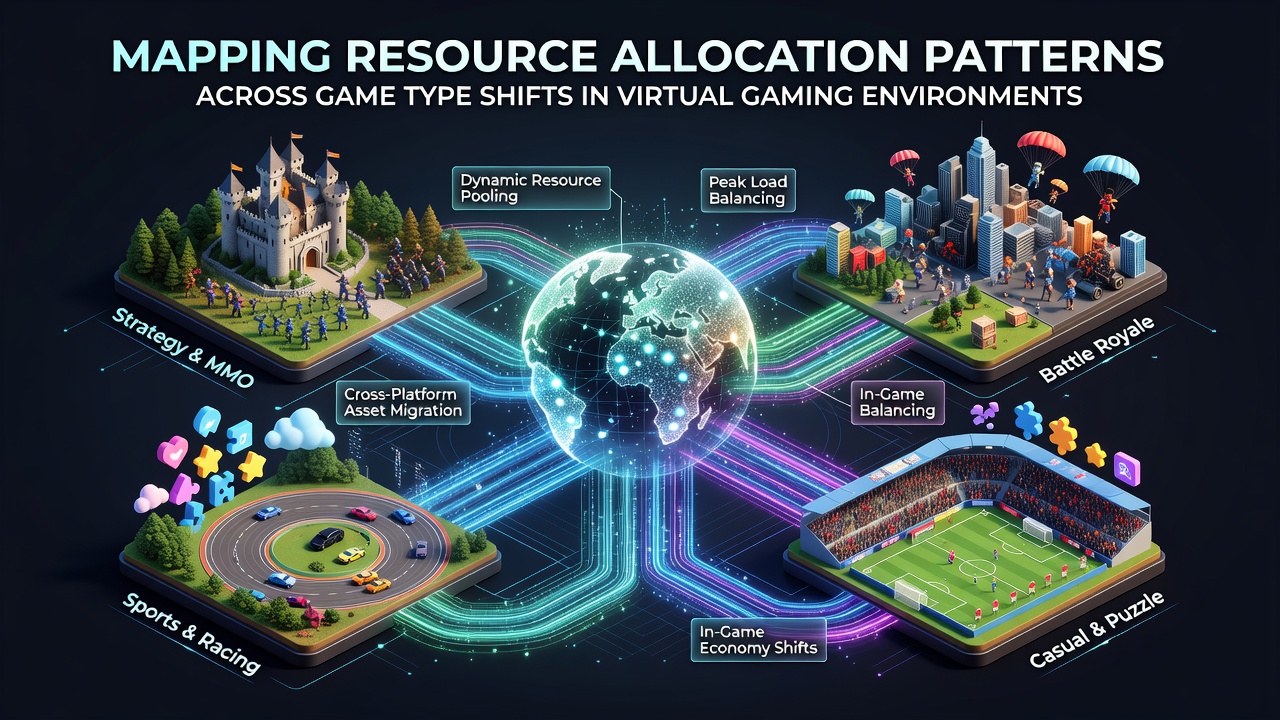
Virtual gaming platforms track resource allocation through detailed logs that capture how players distribute bankrolls, time investments, and bonus redemptions when formats change from cash games to tournaments or between poker variants such as Texas Hold'em and Pot-Limit Omaha, and analysts compile these datasets to identify recurring patterns that emerge during transitions.
Studies conducted by research teams at institutions including the University of Las Vegas Gaming Laboratory show that capital rotation accelerates during seasonal events where multiple formats run concurrently, with data from June 2026 indicating that players reallocated an average of 35 percent of their active bankroll within the first 48 hours of a major series launch, while external factors like mobile interface updates influenced entry timing across global networks.
Core Mechanisms Behind Allocation Shifts
Platform software records every movement of funds and time stamps across game types, which allows observers to map sequences where resources flow from high-frequency cash tables into structured tournament entries or from standard draw formats into mixed-game rotations, and these records reveal consistent clusters around promotional deadlines that coincide with variant launches.
Researchers note that synchronization between reward timelines and format availability reduces idle capital by directing funds into new structures before existing ones close, whereas misalignment leads to temporary holding patterns where balances remain uncommitted for extended periods.
Case Examples From 2026 Circuits
During the 2026 U.S. Poker Open and parallel EPT Monte Carlo schedule, tracking systems captured distinct allocation waves where participants moved resources from online satellites into live-event buy-ins, and similar patterns appeared in digital cardrooms that mirrored the same calendar, with June data showing elevated transfer volumes between cash and tournament modules on the same accounts.
One documented sequence involved players completing draw-sequence tasks in lowball formats before shifting capital into heads-up brackets, which created measurable spikes in resource velocity that software algorithms later flagged for interface adjustments.
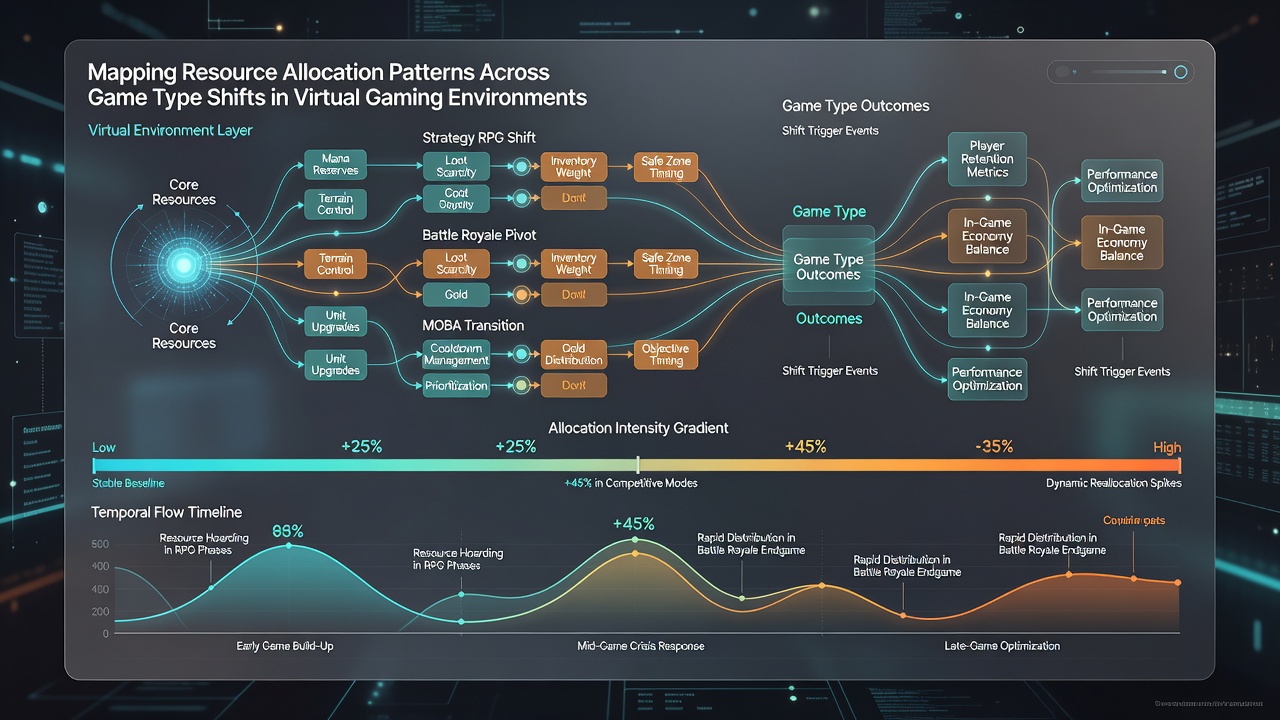
Industry reports from the European Gaming and Betting Association highlight that coordinated updates to mobile applications and hand-history protocols further streamlined these movements, allowing seamless transitions without manual intervention in hybrid cash-tournament settings.
Analytical Tools and Pattern Recognition
Algorithms embedded in gaming software detect draw-sequence impacts on capital rotation by comparing historical allocation graphs against live feeds, and these tools flag deviations that occur when players encounter new variants or when seasonal circuits introduce fresh bracelet events and high-profile final tables.
According to findings released by the Australian Institute of Criminology's gaming research division, pattern recognition improves when interfaces align draw mechanics with resource displays, which reduces decision latency and supports more precise bankroll planning across multi-format environments.
Database synchronization techniques connect hand histories with entry protocols so that allocation maps remain current even when players switch devices or regions, and such integration has become standard in networks operating across North American and Asian markets.
Impact of External Scheduling Factors
Broadcast schedules released ahead of the 2026 World Series of Poker influenced allocation timing as viewers adjusted viewing habits around featured tables and bracelet presentations, while regulatory frameworks in jurisdictions such as those overseen by the Nevada Gaming Control Board required transparent reporting of how promotional funds moved between formats.
Observers tracking these variables found that advance coordination between freeroll structures and ongoing circuits produced steadier resource distribution compared with sudden format introductions that lacked preparatory timelines.
Conclusion
Comprehensive mapping of resource allocation across game type shifts relies on integrated data streams from software logs, promotional calendars, and regulatory disclosures that together produce actionable models for digital cardroom operators and participants alike, and continued refinement of these models supports stable capital movement through evolving virtual environments.