Sequence Analysis Methods in Lowball Poker Variants for Timing Optimization in Worldwide Platforms

Analysts examine draw sequences in lowball poker variants such as Razz and 2-7 Triple Draw to identify repeatable patterns that influence optimal entry points in global digital cardrooms, and data from major tournament circuits shows how these mappings align player decisions with network-wide reward cycles during peak periods including the July 2026 WSOP schedule.
Core Elements of Lowball Sequence Mapping
Lowball variants rely on specific hand progression stages where each draw alters remaining card probabilities, while researchers track initial three-card holdings through to the final street to establish baseline sequences that repeat across cash games and tournaments. Observers note that platforms coordinate these sequences with bonus activation windows, and figures from international operators indicate synchronized timing reduces variance exposure when players enter during established pattern shifts rather than random intervals.
Pattern recognition software processes historical hand data to flag high-frequency sequences such as paired low cards leading into wheel draws, yet these tools integrate with mobile interfaces that adjust entry prompts based on real-time network load across regions. Data indicates that operators in North America and Asia Pacific markets apply similar algorithms to maintain consistent capital flows during multi-format rotations.
Integration Across Global Networks
International cardroom networks link sequence databases to entry protocols so that players receive notifications when a recognized lowball pattern emerges in ongoing tables, and this coordination extends to freeroll schedules that overlap with major series in July 2026. Regulatory reports from the Nevada Gaming Control Board highlight how digital platforms maintain audit trails for these timing adjustments to ensure compliance with multi-jurisdictional standards.
European operators apply comparable frameworks drawn from research by the European Gaming Institute, connecting draw progression data with promotional calendars that reward consistent participation across variants. Those who monitor network traffic observe that synchronized updates prevent bottlenecks during high-volume periods when multiple lowball formats run simultaneously.
Take one documented case where analysts mapped seventh-street completion rates in Razz events and found correlations with entry surges on hybrid cash-tournament formats, while the resulting timing models helped operators distribute player volume more evenly across time zones.
Practical Applications in Tournament Circuits
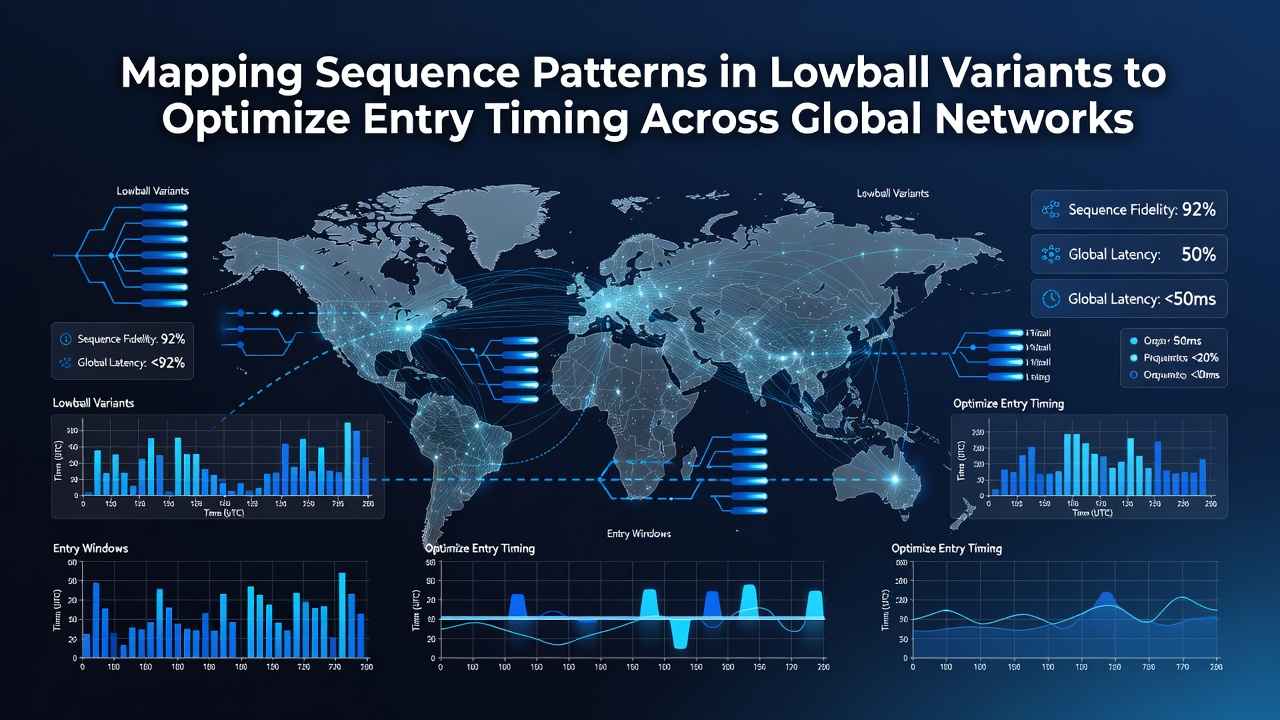
Tournament directors incorporate sequence mapping into scheduling software so that lowball events transition smoothly into mixed-game rotations, and data from the 2026 circuits shows reduced registration spikes when entries open during identified pattern lulls. Software interfaces display these mapped sequences through customizable dashboards that highlight optimal windows for players managing bankrolls across several sites.
Database synchronization protocols ensure hand histories update in real time between desktop and mobile clients, allowing sequence recognition to remain accurate even during rapid format changes. Industry reports confirm that such alignment supports stable resource allocation when global networks experience simultaneous traffic from major series.
Technical Considerations for Pattern Recognition
Algorithms analyze thousands of completed hands to isolate variables including starting hand distributions and draw completion percentages, then translate findings into timing recommendations that operators embed directly into lobby interfaces. Those studying these systems report that integration with freeroll timelines further refines entry optimization by matching low-variance pattern windows with promotional incentives.
Platform updates in July 2026 incorporated enhanced filtering for lowball sequences, enabling players to sort tables according to current draw stages rather than generic filters. This approach maintains continuity across networks while accommodating regional differences in game availability and regulatory requirements.
Conclusion
Sequence mapping in lowball variants continues to shape entry timing strategies across worldwide platforms through coordinated data systems and regulatory oversight, and ongoing developments in July 2026 demonstrate how these methods support consistent operations in expanding digital cardroom environments.