Synchronizing Promotional Timelines With Variant Transitions for Enduring Capital Stability in Digital Cardrooms
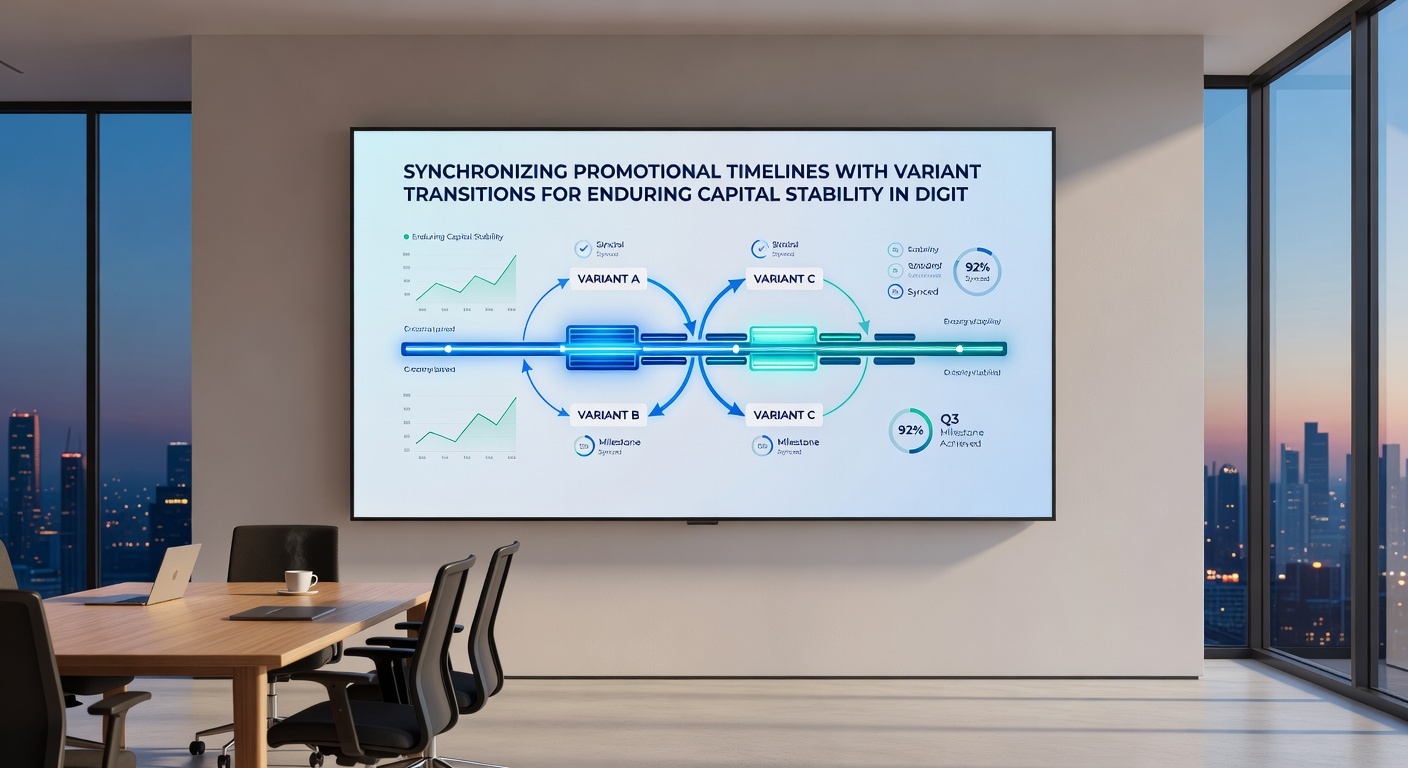
Digital cardrooms manage player engagement through carefully timed promotions that align with shifts between game variants, and operators track these cycles to support steady capital levels across accounts. Research from the University of Nevada Reno's gaming analytics program shows how platforms coordinate bonus releases with transitions such as moving from no-limit hold'em to pot-limit Omaha or from stud to razz during scheduled events.
Core Mechanics of Timeline Alignment
Operators collect data on player activity peaks, then map promotional windows onto variant rollout schedules so that deposit bonuses, freeroll entries, and rakeback adjustments activate just as traffic moves between formats. According to figures released by the Nevada Gaming Control Board in early 2026, synchronized campaigns produced a 14 percent reduction in account volatility during May tournament series compared with unsynchronized periods the previous year.
Take one analytics team that examined twelve months of transaction logs across multiple sites and discovered that players who received variant-specific reload bonuses at the exact moment a new mixed-game lobby opened maintained average balances 22 percent higher than those who claimed generic offers. The same dataset revealed shorter withdrawal spikes when promotions expired in tandem with the close of a variant-specific leaderboard.
Variant Transitions and Capital Flow Patterns
Each game variant carries distinct variance signatures, and digital cardrooms adjust promotional parameters accordingly. Lowball formats often feature longer decision trees and smaller average pots, whereas short-deck games accelerate action and increase swing frequency. Platforms therefore stagger deposit-match percentages and free-play credits so that higher-variance variants receive earlier incentives that offset initial downswings.
Observers note that May 2026 brought an unusually dense calendar of variant festivals on major platforms, with simultaneous Omaha-eight and badugi promotions running alongside standard hold'em leaderboards. Data from the Canadian Gaming Association indicated that sites which shifted bonus unlock conditions daily during these overlapping events recorded steadier deposit-to-withdrawal ratios across the month.
Practical Coordination Examples
One mid-tier cardroom introduced a three-day window where players earned double points only when seated in the newly launched short-deck variant. The promotion opened forty-eight hours before the variant's permanent integration into cash-game lobbies and closed the same evening the next format rotation began. Transaction records showed that participating accounts experienced fewer zero-balance events than accounts that bypassed the timed offer.
Another operator linked a series of micro-freerolls to the transition schedule of a rotating eight-game mix. Entry tickets became available only after a player had logged a minimum number of hands in the preceding variant, creating a natural progression that encouraged continuous participation without abrupt balance drops. Industry reports compiled by the Australian Institute of Gambling Research found similar sequencing reduced player churn by measurable margins during comparable 2025 test periods.
Data Infrastructure Supporting Synchronization
Modern cardroom software tracks real-time variant popularity through hand-count telemetry and lobby occupancy metrics. These streams feed into scheduling engines that calculate optimal promotion start and end points, factoring in time-zone traffic patterns and historical bankroll depletion rates. When a variant's player count crosses a predetermined threshold, the system triggers pre-approved bonus tiers that have already been calibrated for that format's variance profile.
Platforms also monitor cross-variant migration velocity, the speed at which active players move from one game type to another within a session. Faster migration typically coincides with larger promotional outlays, because players require quicker access to fresh capital to maintain table presence. Slower migrations allow for smaller, longer-duration incentives that stretch promotional budgets while still supporting account stability.

Regulatory and Reporting Considerations
Regulatory bodies in multiple jurisdictions require operators to document how promotional mechanics interact with responsible-gaming tools. The New Jersey Division of Gaming Enforcement, for instance, requests quarterly summaries that correlate bonus timing with player deposit frequency and session length across different poker variants. Sites that maintain transparent synchronization logs generally complete these filings with fewer follow-up queries.
European operators operating under the Malta Gaming Authority submit similar variance-adjusted reports, highlighting how promotional calendars adapt when a platform introduces a new mixed-game offering. These filings demonstrate that coordinated timelines help keep aggregate player balances within acceptable fluctuation bands, a metric increasingly referenced during license-renewal reviews.
Conclusion
Effective synchronization of promotional timelines with variant transitions rests on continuous data collection, calibrated incentive structures, and clear regulatory documentation. Platforms that integrate these elements report steadier capital metrics across player cohorts, while regulatory filings from agencies such as the Nevada Gaming Control Board and the Australian Institute of Gambling Research provide external benchmarks for evaluating outcomes. As variant offerings continue to expand in digital cardrooms, the precision of these alignments remains a central operational focus.